
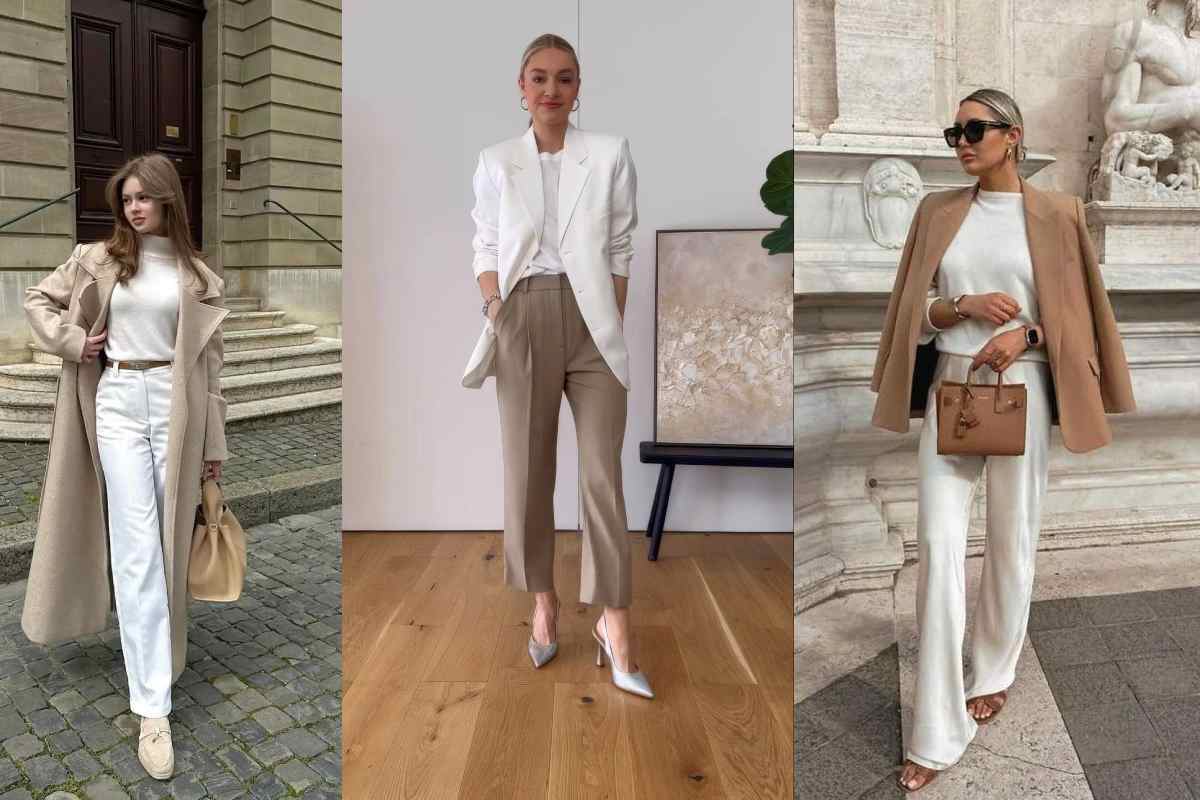

Old money style has quietly become one of the most influential fashion aesthetics in recent years. Unlike fast-moving trends that fade within months, this style is rooted in timeless elegance, subtle luxury, and an understated sense of confidence. It doesn’t rely on loud branding or flashy designs. Instead, it focuses on quality, simplicity, and refinement.
What makes old money style even more appealing today is that you don’t actually need a large bank balance to achieve it. With the right approach, you can build a wardrobe that looks polished, expensive, and effortlessly classy—even on a budget.
Understanding the Essence of Old Money Style
At its core, old money fashion is about restraint. It avoids excess and embraces quiet sophistication. The people who inspired this aesthetic—think of legacy families, elite institutions, and classic European fashion circles—never needed to prove wealth through clothing. Their style reflects confidence rather than attention-seeking.
This is why you’ll rarely see bold logos, overly trendy silhouettes, or loud colours in old money outfits. Instead, the focus is on clean lines, neutral tones, and well-fitted garments that look refined without trying too hard.
The beauty of this approach is that it’s not tied to a specific season or trend cycle. A well-structured blazer or a crisp white shirt can look just as stylish today as it did decades ago.
Building a Timeless Wardrobe Without Overspending
Creating an old money wardrobe doesn’t mean replacing everything you own. It’s about being intentional with your choices and focusing on pieces that offer versatility and longevity.
Start with the basics. A tailored blazer instantly elevates almost any outfit. Pair it with a simple shirt and trousers, and you already have a look that feels polished and sophisticated. Similarly, investing in a good-quality white shirt can transform your style. It’s one of the most versatile pieces you can own, suitable for both casual and formal settings.
Neutral colours are key to achieving this aesthetic. Shades like beige, navy, white, grey, and black dominate old money wardrobes. These tones not only look elegant but also make it easier to mix and match outfits, giving you more styling options without needing a large wardrobe.
Instead of buying many cheap items, focus on fewer, better pieces. However, “better” doesn’t always mean expensive. You can find high-quality clothing at reasonable prices if you pay attention to fabric, stitching, and fit.
The Importance of Fit Over Price
One of the biggest misconceptions about dressing classy is that it requires expensive clothing. In reality, fit matters far more than price.
A well-fitted, affordable blazer will always look better than an expensive one that doesn’t sit properly on your shoulders. The same goes for trousers, shirts, and dresses. Clothing that fits you well enhances your overall appearance and gives off a refined impression.
If possible, consider minor alterations. Simple adjustments like hemming trousers or taking in a shirt can make a significant difference. Tailoring is one of the easiest ways to make budget clothing look high-end.
Fabrics That Elevate Your Look
Old-money style emphasises natural, durable fabrics. Materials like cotton, linen, wool, and cashmere are preferred because they look sophisticated and feel comfortable.
During warmer months, linen and lightweight cotton are excellent choices. They keep you cool while maintaining a polished look. In cooler seasons, wool coats and knitwear add both warmth and elegance.
You don’t need to buy premium brands to access these fabrics. Many budget-friendly stores offer clothing made from natural materials. The key is to read labels and choose wisely.
Mastering Colour Coordination
Colour plays a crucial role in achieving a classy appearance. Old money style relies heavily on neutral and muted tones, creating a calm, refined look.
Instead of combining multiple bright colours, focus on simple, harmonious combinations. For example, pairing a beige blazer with a white shirt and navy trousers creates a clean and elegant outfit. Similarly, an all-white or monochrome outfit can look incredibly sophisticated when styled correctly.
Avoid overly flashy prints or neon shades. Subtle patterns like stripes or checks can work well if they are not too bold.
Accessories: Less but Better
Accessories in old money style are minimal yet impactful. The goal is to enhance your outfit, not overpower it.
A classic watch, a leather belt, or a structured handbag can add a touch of refinement. Footwear also plays an important role. Loafers, ballet flats, or clean sneakers are great choices that align with this aesthetic.
When it comes to jewellery, simplicity is key. Delicate pieces often look more elegant than large, attention-grabbing ones.
Grooming and Presentation
Clothing alone doesn’t define old money style. Personal grooming and overall presentation are equally important.
Neat hair, clean shoes, and well-maintained clothing contribute to a polished appearance. Even the most expensive outfit can lose its charm if it looks wrinkled or poorly maintained.
Confidence is another essential element. Old money style isn’t about showing off—it’s about feeling comfortable and composed in what you wear.
Dressing Classy in Everyday Life
One of the strengths of old money fashion is its versatility. You can adapt it to different occasions without losing its essence.
For casual outings, a simple combination of a polo shirt and tailored trousers works perfectly. For work settings, structured blazers and neutral outfits create a professional yet stylish look. Even for social events, understated elegance often stands out more than flashy fashion.
The idea is to maintain consistency in your style. When your wardrobe is built around timeless pieces, getting dressed becomes more effortless.
Avoiding Common Mistakes
While trying to achieve a classy look, many people fall into the trap of overcomplicating their outfits. Adding too many elements, chasing trends, or focusing too much on brands can detract from the simplicity that defines old-money style.
Another common mistake is prioritising quantity over quality. A wardrobe filled with cheap, fast-fashion items often lacks cohesion and longevity. Instead, focus on building a collection of pieces that you truly enjoy wearing.
Why Old Money Style Works Today
In a world where trends change rapidly, old money style offers something different. It provides stability, elegance, and a sense of identity that isn’t influenced by fleeting fashion cycles.
It also aligns with modern values such as sustainability and mindful consumption. By investing in timeless pieces, you reduce the need for constant shopping and create a wardrobe that lasts.
Most importantly, this style allows you to express confidence without being loud. It proves that true elegance comes from simplicity and attention to detail, not from how much you spend.
Final Thoughts
Dressing classy on a budget is entirely possible when you understand the principles of old-money style. It’s not about copying a specific look or buying expensive brands. It’s about making thoughtful choices, focusing on quality, and embracing simplicity.
With the right approach, you can build a wardrobe that feels refined, versatile, and timeless—without stretching your budget. In the end, style isn’t defined by money. It’s defined by how you present yourself and the confidence you carry.
