

Beauty is about more than makeup, skincare products, or following the latest trends. While taking care of your appearance can help you feel polished and confident, genuine beauty also involves how you care for your body, mind, hair, skin, and everyday well-being.
That is where beauty and self-care come together.
A thoughtful self-care routine does not need to involve expensive treatments, complicated skincare routines, or hours spent getting ready every morning. Small habits performed consistently can often make a much bigger difference.
Drinking enough water, cleansing your face before bed, protecting your skin from the sun, caring for your hair, getting adequate sleep, maintaining personal hygiene, and occasionally giving yourself time to relax can all become meaningful parts of a beauty routine.
More importantly, your routine should work for your lifestyle, preferences, skin, and hair rather than simply copying whatever happens to be trending online.
This complete beauty and self-care guide explores practical ways to build a routine that helps you look refreshed, feel comfortable, and take better care of yourself from head to toe.
What Is Beauty and Self-Care?
Beauty and self-care are closely connected, but they are not exactly the same.
Beauty care usually focuses on maintaining or enhancing your appearance. It can include skincare, hair care, makeup, nail care, grooming, body care, and personal style.
Self-care is broader. It refers to intentional habits that support your physical, emotional, and everyday well-being.
When the two are combined, beauty becomes less about trying to achieve perfection and more about creating healthy, sustainable habits.
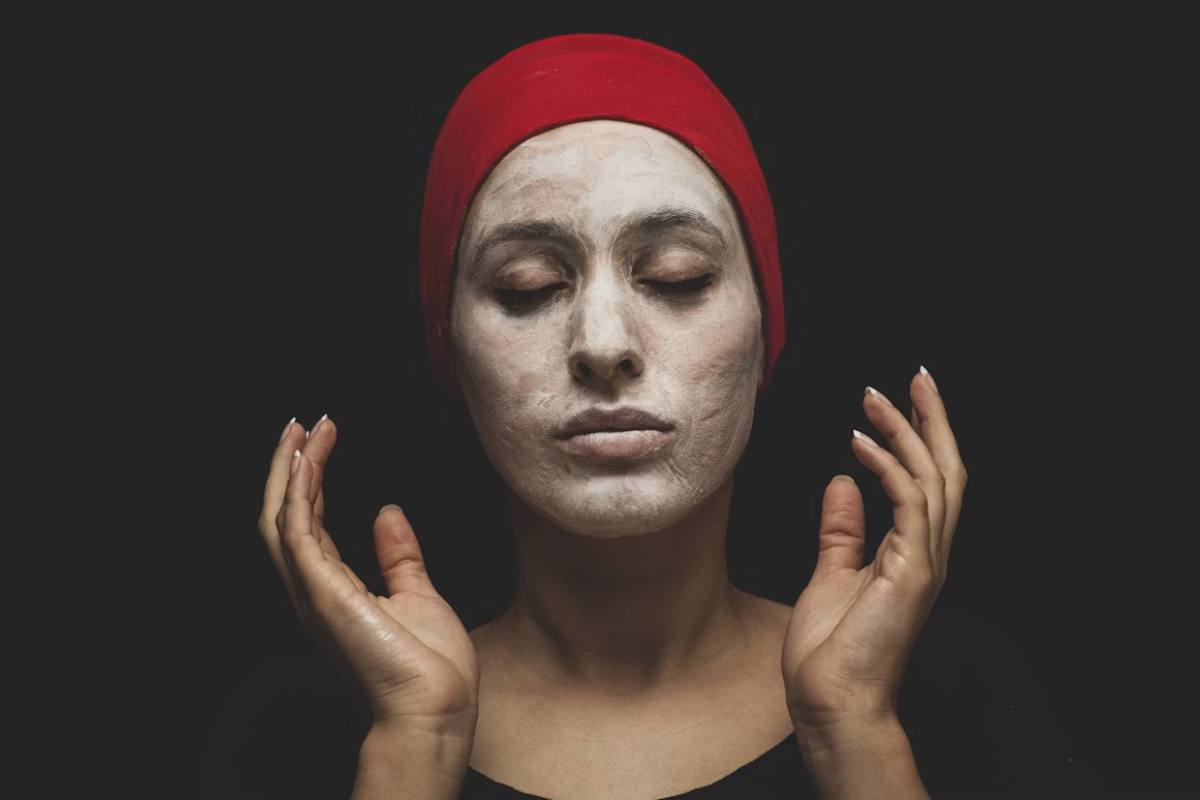
For example, applying a face mask may be part of your beauty routine, but taking 15 quiet minutes to relax while using it can also become an act of self-care.
Similarly, washing and conditioning your hair supports its appearance, while establishing a manageable wash routine can make your week feel more organised.
The best beauty routine is therefore not necessarily the longest one. It is the one you can realistically maintain.
Why Beauty and Self-Care Matter
It is easy to treat personal care as something you do only when you have extra time. However, maintaining a basic routine can have several practical benefits.
Regular skincare can help keep your skin clean and comfortable. Hair care can make your hair easier to manage. Grooming and hygiene can help you feel fresh throughout the day.
Self-care can also provide moments where you deliberately disconnect from work, responsibilities, screens, or everyday stress.
There is another important benefit: consistency.
Instead of waiting until your hair, skin, nails, or routine feels completely neglected, regular maintenance allows you to address your needs gradually.
You do not need an elaborate beauty schedule.
A few minutes every morning and evening, combined with slightly more time once or twice a week, can create a surprisingly complete routine.
1. Build a Simple Daily Skincare Routine
Skincare is one of the foundations of beauty and self-care.
However, more products do not automatically mean better skin.
Social media can make skincare routines look incredibly complicated, with cleansers, toners, essences, serums, masks, oils, creams, exfoliants, and numerous active ingredients.
For many people, a much simpler foundation is more practical.
Know Your Skin
Before choosing skincare products, pay attention to how your skin normally behaves.
Common skin types are often described as:
- Dry skin: May feel tight, rough, flaky, or uncomfortable, particularly after cleansing.
- Oily skin: Tends to develop noticeable shine and excess oil, especially around the forehead, nose, and chin.
- Combination skin: Usually has both oily and dry or normal areas.
- Normal skin: Generally feels balanced without excessive dryness or oiliness.
- Sensitive skin: May react easily to certain products, fragrances, environmental changes, or ingredients.
Skin can also change with seasons, age, environment, and lifestyle. Therefore, you do not necessarily need to use exactly the same products throughout the entire year.
Your Morning Skincare Routine
A basic morning routine can consist of three main stages:
Step 1: Cleanse
Start with clean skin.
Depending on your skin and what you used the previous evening, you may use a gentle facial cleanser or follow a minimal morning cleansing routine.
Avoid aggressively scrubbing your face. Cleansing should leave the skin feeling refreshed rather than excessively tight or uncomfortable.
Step 2: Moisturise
Moisturiser helps maintain hydration and supports the skin barrier.
Choose a texture that works for you. Someone with oily skin may prefer a lightweight lotion or gel texture, while dry skin may feel more comfortable with a richer cream.
Step 3: Apply Sunscreen
Sun protection deserves a permanent place in a daytime skincare routine.
Choose a broad-spectrum sunscreen with appropriate SPF protection and apply it to exposed skin. Remember commonly missed areas such as the neck and ears.
If you spend extended periods outdoors, reapplication becomes particularly important.
Your Evening Skincare Routine
Your evening routine removes the buildup of the day and prepares your skin for nighttime.
If you wear makeup, remove it thoroughly before sleeping.
Follow with a suitable cleanser and moisturiser. Depending on your individual needs, you can also incorporate targeted skincare products.
The important word is targeted.
Do not add ingredients simply because they are popular. Think about what you actually want your routine to address, such as dryness, uneven-looking tone, dullness, oiliness, or signs of ageing.
If you use strong active ingredients or have persistent skin concerns, professional dermatological advice can help you establish a routine appropriate for your skin.
2. Give Your Skin Weekly Attention
Daily care forms the foundation, but you may occasionally want to give your skin additional attention.
This is where weekly self-care rituals can be enjoyable.
You might use a hydrating mask, gently exfoliate when appropriate, organise your skincare products, wash reusable beauty tools, or simply spend more time on your normal routine.
The goal should not be to aggressively “fix” your skin in one evening.
Gentle consistency is usually a much better philosophy.
Be Careful With Exfoliation
Exfoliation is often associated with smoother and brighter-looking skin, but excessive exfoliation can leave the skin irritated.
Avoid combining numerous exfoliating products simply because they are marketed for glowing skin.
Your skin does not need to feel sore, burning, or extremely tight for a product to be effective.
When introducing a new product, follow its directions and pay attention to how your skin responds.
3. Create a Hair Care Routine That Fits Your Hair
Healthy-looking, manageable hair can make an enormous difference to your overall appearance.
Yet hair care is highly individual.
A routine that works beautifully for one person may be completely unsuitable for another because hair texture, scalp condition, styling habits, climate, and chemical treatments all affect what your hair needs.
Start With Your Scalp
Beautiful hair starts with scalp care.
Your washing schedule should largely depend on how quickly your scalp becomes oily, your hair texture, activity levels, and the products you use.
Rather than following a strict universal rule such as washing your hair every day or only once a week, observe your scalp.
Cleanse when necessary.
When shampooing, focus primarily on the scalp instead of aggressively rubbing the entire length of your hair.
Never Forget Conditioner
Conditioner can improve softness, manageability, and the appearance of the hair.
It is generally concentrated through the mid-lengths and ends, particularly if those areas are dry.
If your hair becomes weighed down easily, experiment with lighter formulations or use smaller amounts.
Reduce Unnecessary Heat
Hair dryers, curling irons, straighteners, and other heated styling tools can help create beautiful hairstyles, but frequent high-temperature styling can contribute to dryness and damage.
Try giving your hair occasional heat-free days.
When using heat, follow the instructions for your styling tools and suitable heat-protection products.
You can also explore hairstyles that do not require daily straightening or curling.
Braids, buns, ponytails, natural waves, and simple accessories can make everyday styling quicker.
Schedule Hair Maintenance
Regular maintenance can help keep hair looking polished.
This could include trimming when needed, deep conditioning occasionally, cleaning your brushes, refreshing your hairstyle, and paying attention to changes in your scalp or hair condition.
Hair care becomes easier when it is treated as ongoing maintenance rather than an emergency rescue routine.
4. Make Body Care Part of Your Beauty Routine
The face often receives most of the attention in beauty routines while the rest of the skin is forgotten.
Body care deserves a place in your self-care routine too.
Start with the basics: cleansing, moisturising, sun protection on exposed areas, and comfortable personal hygiene habits.
Moisturise Your Body
If your skin tends to become dry, applying body lotion or cream after bathing can help it feel softer and more comfortable.
Areas such as elbows, knees, hands, and feet may require additional attention because they can become particularly dry.
Choose products based on how your skin feels rather than how elaborate the packaging looks.
Hand and Foot Care
Your hands are constantly exposed to washing, cleaning products, weather, and daily activities.
Keep hand cream somewhere convenient so you actually remember to use it.
Your feet also deserve regular attention.
Basic foot care can include washing, moisturising, maintaining your nails, and wearing comfortable, properly fitting footwear.
A simple at-home foot-care evening can also become a relaxing self-care ritual.
5. Build a Nail Care Routine
Beautiful nails do not necessarily mean long nails or elaborate nail art.
Clean, neatly maintained nails can look equally elegant.
Keep your nails trimmed and shaped according to your preference. Moisturising the hands and surrounding nail area can also help maintain a polished appearance.
If you enjoy nail polish, experiment with shades that suit your style.
Classic neutrals can work beautifully for everyday wear, while bold reds, deep tones, pastels, metallic shades, and nail art can add personality.
The important thing is to find what makes you feel put together.
6. Keep Makeup Fun and Personal
Makeup should be a choice, not an obligation.
Some people enjoy a full makeup routine, while others prefer tinted lip balm and mascara. Both approaches are completely valid.
Your everyday makeup routine should ideally be realistic enough that you can complete it without creating unnecessary stress.
Create a Five-Minute Makeup Routine
For busy mornings, identify the few products that make the biggest difference for you.
For example, your routine might include:
- Lightweight base or concealer
- Brow product
- Mascara
- Blush
- Lip product
You can always add more when you have time.
Having a simple version of your routine prevents you from feeling that makeup has to be an all-or-nothing process.
Choose Makeup for Your Features
Beauty trends can provide inspiration, but not every trend needs to become part of your personal routine.
Experiment with different makeup styles and observe what you enjoy wearing.
Perhaps you prefer natural-looking makeup, glowing skin, defined eyeliner, bold lipstick, soft neutral eyeshadow, or glamorous evening makeup.
Makeup becomes much more enjoyable when it enhances your personal style instead of disguising it.
Remove Makeup Before Bed
No matter how tired you are, make makeup removal part of your evening routine.
Keeping makeup-removal products easily accessible can make the habit easier to maintain.
Also remember to clean makeup brushes and reusable tools regularly.
7. Personal Hygiene Is Essential Self-Care
Beauty products cannot replace good hygiene.
Simple hygiene habits are some of the most important components of feeling fresh and comfortable.
Regular bathing, oral hygiene, clean clothing, hair and scalp care, handwashing, nail maintenance, and changing personal-care items when necessary all contribute to overall grooming.
The exact routine varies depending on climate, activity levels, personal preferences, and individual needs.
Instead of viewing hygiene as separate from beauty, think of it as the foundation.
8. Create a Morning Self-Care Routine
Your morning does not need to resemble an elaborate lifestyle video.
A realistic routine might take only 15–30 minutes.
Start by freshening up and completing your basic skincare. Drink some water, get dressed, style your hair, and apply makeup if you want to wear it.
If possible, avoid immediately becoming overwhelmed by notifications and social media.
Even a few minutes of intentional preparation can make your morning feel less chaotic.
One practical approach is to prepare certain things the night before.
Choose your outfit, organise your bag, place frequently used beauty products together, and decide what you need to accomplish the following morning.
Beauty routines become considerably easier when your environment supports them.
9. Develop a Relaxing Nighttime Routine
Evening self-care gives you an opportunity to transition away from the demands of the day.
Your nighttime routine does not need to be complicated.
Remove makeup, cleanse your face, apply your evening skincare, brush your teeth, change into comfortable clothes, and prepare your bedroom for sleep.
You can then add activities that help you unwind.
Reading, journaling, gentle stretching, listening to something relaxing, or spending a little time away from screens may become part of your routine.
Good self-care should not become another exhausting checklist.
If your nighttime routine contains 20 steps and makes you anxious about completing all of them, simplify it.
10. Sleep Is Part of Your Beauty Routine
You can buy excellent beauty products, but your lifestyle still matters.
Sleep supports general health and well-being, and insufficient sleep can also influence how refreshed you look and feel.
Try to maintain a sleep schedule that gives you adequate rest.
Your bedroom environment can also make a difference.
Keep it comfortable, reduce unnecessary distractions, and develop a bedtime routine that signals that your day is ending.
Avoid thinking of sleep as time you could have used to be more productive.
Rest is part of taking care of yourself.
11. Hydration and Nutrition Matter Too
Beauty is not created solely by what you apply externally.
Your overall diet and hydration also contribute to general well-being.
Instead of following extreme beauty diets or relying on trendy “detox” routines, focus on balanced everyday habits.
Drink water regularly and include a variety of nutritious foods in your diet.
Fruits, vegetables, protein sources, whole grains, healthy fats, and other nutrient-rich foods can form part of a balanced eating pattern.
Your dietary requirements are individual, so professional guidance is appropriate if you have specific nutritional concerns.
The goal of beauty-focused self-care should never be to punish yourself with extreme restrictions.
12. Movement Can Be Self-Care
Exercise is often discussed entirely in terms of weight or appearance, but movement has much broader benefits.
Choose physical activities that fit your abilities and that you can realistically maintain.
Walking, dancing, yoga, cycling, gym workouts, swimming, stretching, or recreational sports can all count.
The best form of movement is not necessarily the trendiest or most intense one.
It is something appropriate for you that you can continue consistently.
Beauty and self-care should support a healthy relationship with your body rather than making you constantly dissatisfied with it.
13. Take Care of Your Mental Well-Being
A beauty routine can be relaxing, but self-care extends beyond skincare and hair masks.
Sometimes self-care means resting.
Sometimes it means setting a boundary.
Sometimes it means spending time with people you enjoy.
It might mean turning off your phone for a while, cleaning your room, going outside, enjoying a hobby, writing down your thoughts, or simply doing nothing for a short period.
You do not need to make every free moment productive.
Give yourself permission to have periods where you are not working toward an appearance, career, fitness, or productivity goal.
14. Stop Comparing Your Beauty to Social Media
One of the biggest challenges in modern beauty culture is constant comparison.
Every time you open social media, you may see flawless skin, perfect makeup, beautiful hair, designer outfits, luxury beauty routines, and carefully styled lifestyles.
Remember that online content is selective.
Lighting, camera angles, editing, filters, professional makeup, cosmetic procedures, and carefully chosen photographs can significantly influence what you see.
Use social media for inspiration rather than as the standard against which you judge your appearance.
Beauty does not have one face, body type, skin tone, hairstyle, or age.
Trends will continuously change.
Your self-worth should not have to change with them.
15. Declutter Your Beauty Collection
Buying new beauty products can be exciting, but accumulating too many products can make your routine more difficult.
Occasionally review your collection.
Check product condition and expiry or period-after-opening guidance where applicable. Remove items that should no longer be used and clean the storage areas where you keep your products.
Organise the products you use regularly so they are easy to reach.
You may discover forgotten products that you can use before purchasing replacements.
This habit can also help reduce unnecessary spending.
Before buying another beauty product, ask yourself:
Do I already own something similar?
Will I actually use this?
Does it solve a genuine need in my routine?
Am I buying it simply because I saw it trending?
Thoughtful beauty shopping can save both money and space.
16. Create Your Own At-Home Spa Day
You do not need to visit a luxury spa every week to create a relaxing self-care experience.
Choose a day when you have some free time and turn part of your normal beauty maintenance into an at-home ritual.
Take a comfortable shower or bath, wash and condition your hair, complete your skincare, moisturise your body, care for your nails, put on comfortable clothing, and create a relaxing environment.
You can play music, read, watch a favourite show, or enjoy a quiet drink while you unwind.
The purpose is not to recreate an expensive spa treatment.
It is simply to intentionally dedicate some time to yourself.
17. Create a Weekly Beauty Schedule
If you regularly forget beauty maintenance tasks, create a loose weekly schedule.
For example, you might choose one evening for hair care, another for nails, and a weekend period for washing makeup brushes or reorganising your products.
Do not make the schedule so strict that missing one task makes you feel guilty.
A routine should make life easier.
You can also divide beauty care into three categories:
- Daily care: Skincare, oral hygiene, personal hygiene, basic grooming, and sun protection when appropriate.
- Weekly care: Hair treatments, nail maintenance, beauty-tool cleaning, and optional masks or exfoliation.
- Occasional care: Haircuts, salon visits, beauty-product decluttering, seasonal wardrobe changes, and other personal treatments.
This structure makes a complete routine feel much more manageable.
18. Practice Seasonal Beauty and Self-Care
Your beauty needs may change throughout the year.
Hot, humid weather can make heavier products feel uncomfortable, while colder or drier conditions may leave the skin and hair needing more moisture.
Instead of completely replacing your beauty collection every season, make small adjustments.
You might switch to a richer moisturiser when your skin feels dry or a lighter product when the weather becomes humid.
Hair routines may also need adjustment depending on humidity, dryness, swimming, sun exposure, or other environmental factors.
Listen to what your skin and hair are telling you rather than following a fixed calendar.
19. Build a Self-Care Routine on a Budget
Self-care is often marketed as something you need to purchase.
It is not.
Many valuable self-care habits cost little or nothing.
Taking a walk, getting adequate rest, organising your room, washing your hair, maintaining basic skincare, calling someone you enjoy talking to, reading, stretching, preparing your clothes for tomorrow, or spending an evening away from social media can all be forms of self-care.
When purchasing beauty products, prioritise the products you actually use.
You do not need a drawer filled with serums if a cleanser, moisturiser, sunscreen, and one targeted product meet your needs.
Spend according to your budget rather than trying to recreate someone else’s beauty collection.
20. Build Confidence Beyond Appearance
Beauty routines can help you feel polished, but confidence should not depend entirely on how you look.
There will be days when your hair refuses to cooperate.
- Your skin may break out.
- Your makeup may not look exactly how you wanted.
- Your favourite clothes may fit differently.
- You may simply not feel particularly glamorous.
That does not mean the day is ruined.
One of the healthiest beauty habits you can develop is learning to appreciate yourself even on imperfect days.
Take care of your appearance because you enjoy it, because it makes you feel comfortable, or because it is a form of personal expression.
Do not make perfection the goal.
How to Build Your Perfect Beauty and Self-Care Routine
If everything in this guide feels like too much to introduce at once, start small.
Choose a few basic habits.
For example:
- Morning: Cleanse or refresh your face, moisturise, apply sun protection, complete basic grooming, and prepare for your day.
- Evening: Remove makeup, cleanse, moisturise, complete oral hygiene, and spend a few minutes unwinding.
- Weekly: Give yourself additional time for hair, body, nails, beauty-tool cleaning, and relaxation.
Once those habits become automatic, add other steps only when they provide a genuine benefit.
Your ideal routine may change over time.
That is completely normal.
Self-care should adapt to your life rather than requiring your entire life to revolve around it.
Beauty and Self-Care Mistakes to Avoid
Even good intentions can turn beauty routines into unnecessary pressure.
One common mistake is purchasing too many products at once. Introducing numerous skincare or hair products simultaneously can make it difficult to understand what actually works for you.
Another mistake is constantly switching routines because of trends.
A product becoming viral does not mean your current routine suddenly stopped working.
Also avoid assuming that expensive always means better.
Packaging, branding, celebrity endorsements, and luxury positioning can influence price. What matters most is whether a product is suitable for your needs and whether you enjoy using it.
Most importantly, do not turn self-care into competition.
Your routine does not need to look impressive online.
It needs to work in real life.
Frequently Asked Questions About Beauty and Self-Care
What is a good basic beauty routine?
A simple beauty routine can include cleansing, moisturising, daytime sun protection, hair and body care, oral hygiene, grooming, and adequate rest. Makeup and additional beauty treatments can be added according to personal preference.
How can I start a self-care routine?
Begin with two or three habits that are easy to maintain. For example, establish a simple morning skincare routine, remove makeup every evening, and reserve some time each week for personal care or relaxation. Once these become habits, gradually expand your routine.
Do I need expensive products for a good beauty routine?
No. Price alone does not determine whether a beauty product will work well for you. Focus on your individual needs, suitable formulations, and products you will consistently use.
How often should I have a self-care day?
There is no universal schedule. Some people enjoy a dedicated weekly self-care evening, while others prefer incorporating small moments of self-care into every day. Choose whatever works realistically with your lifestyle.
What should be included in a self-care day?
A self-care day can include skincare, hair care, body care, nail maintenance, comfortable clothing, rest, hobbies, reading, gentle movement, or simply spending some time away from work and screens.
Is skincare considered self-care?
Yes, skincare can be part of self-care when it is used as a healthy personal-care habit. However, self-care extends beyond skincare and also includes rest, hygiene, emotional well-being, relationships, movement, nutrition, boundaries, and other habits.
How can I look more put together every day?
Focus on a few consistent habits rather than trying to look perfect. Clean and styled hair, basic skincare, good hygiene, neat clothing, maintained nails, and a simple makeup routine if you enjoy makeup can help create a polished everyday appearance.
How can I practice self-care when I am busy?
Make self-care smaller. A five-minute skincare routine, a short walk, preparing clothes the night before, drinking water, taking a proper lunch break, or going to bed a little earlier can be more realistic than waiting for an entire free day.
Final Thoughts
Beauty and self-care should make you feel better, not create another standard you constantly struggle to meet.
You do not need flawless skin, perfect hair, expensive makeup, a luxury wardrobe, or an elaborate wellness routine to take good care of yourself.
Start with the fundamentals.
Take care of your skin. Maintain your hair. Look after your body. Practice good hygiene. Get enough rest. Eat and drink in a way that supports your overall well-being. Move your body in ways that feel appropriate. Make room for relaxation. Wear clothes and makeup that allow you to express yourself.
Most importantly, build routines you can actually maintain.
There will always be another beauty trend, viral product, hairstyle, makeup technique, or self-care idea to try. Enjoy them when they interest you, but do not allow trends to determine how you should feel about yourself.
The most sustainable beauty routine is one that fits naturally into your life.
Self-care is not about becoming a different person.
It is about consistently making time to care for the person you already are.
