
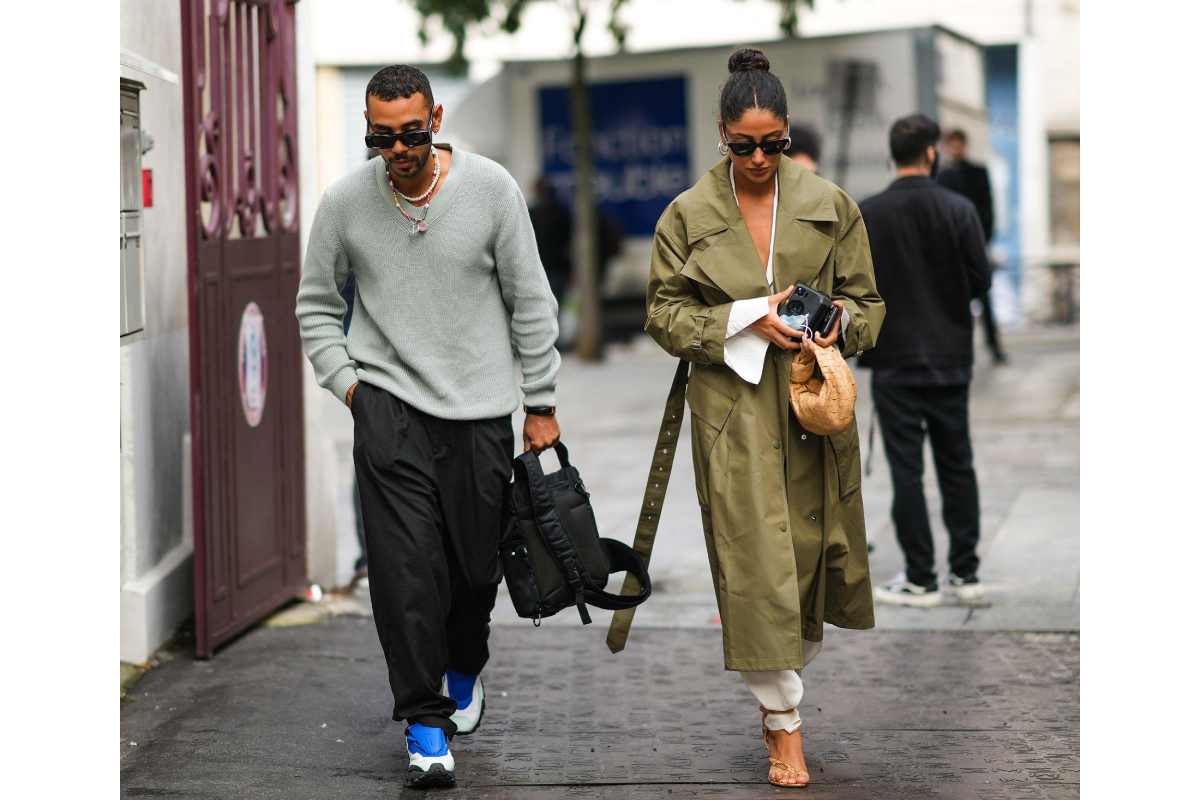

Personal Style Guide is one of the most powerful forms of self-expression. Long before someone speaks, their clothing often creates a first impression that communicates confidence, personality, professionalism, and lifestyle. While fashion trends come and go every season, personal style remains a lasting reflection of who you are and how you choose to present yourself to the world.
Many people mistakenly believe that having great style requires an unlimited budget, designer labels, or a wardrobe filled with the latest fashion trends. In reality, style is not about owning more clothes. It is about understanding what works for your body, lifestyle, personality, and goals. The most stylish individuals are not necessarily those wearing the most expensive outfits. Instead, they are people who understand how to combine clothing, colors, fabrics, and accessories in a way that feels authentic and intentional.
Developing personal style is a journey. It requires experimentation, observation, and a willingness to understand what makes you feel comfortable and confident. Whether you prefer timeless elegance, casual sophistication, modern minimalism, glamorous fashion, or trend-driven looks, building a strong personal style can simplify your wardrobe decisions while helping you feel your best every day.
This comprehensive guide explores everything you need to know about personal style, from discovering your fashion identity and building a versatile wardrobe to mastering color combinations, understanding body proportions, and creating outfits that remain fashionable year after year.
What Is Personal Style?
Personal style is the unique way an individual expresses themselves through clothing, accessories, grooming, and overall appearance. It goes beyond fashion trends, focusing on creating a visual identity that reflects personality, values, and lifestyle.
Unlike fashion, which changes constantly, personal style evolves more slowly. Fashion trends may influence your wardrobe choices, but your style determines how you interpret and wear those trends. Two people can wear the same outfit and create completely different impressions based on how they style it.
Personal style often develops naturally over time. The clothing choices you repeatedly gravitate toward reveal important clues about your fashion preferences. Some individuals consistently choose structured and tailored pieces, while others prefer relaxed silhouettes and casual comfort. Neither approach is right or wrong because style is deeply personal.
When personal style aligns with your personality and lifestyle, getting dressed becomes easier. Instead of feeling overwhelmed by trends or endless shopping options, you gain clarity about what belongs in your wardrobe and what does not.
Why Personal Style Guide Matters
Many people underestimate the impact personal style has on daily life. The way you dress influences not only how others perceive you but also how you perceive yourself.
Research in psychology has shown that clothing can affect confidence, mood, and behavior. Wearing outfits that make you feel attractive, comfortable, and capable can positively influence your performance in professional and social situations.
Personal style also provides practical benefits. A well-defined wardrobe reduces decision fatigue because you already know which colors, silhouettes, and clothing categories suit you best. This often leads to smarter purchasing decisions and less money wasted on unworn items.
In professional environments, style can communicate competence and attention to detail. In social situations, it can reflect creativity, confidence, and individuality. Ultimately, personal style serves as a powerful communication tool that speaks before words are exchanged.
Understanding Different Style Personalities
Before building a wardrobe, it is helpful to understand the most common style personalities. Many people identify with more than one category, creating a unique combination that reflects their personal preferences.
Classic Style
Classic style focuses on timeless clothing that remains fashionable regardless of seasonal trends. Individuals who prefer classic fashion often gravitate toward tailored blazers, white shirts, dark denim, trench coats, pencil skirts, and neutral color palettes.
The appeal of classic style lies in its versatility and longevity. These pieces rarely look outdated and can be worn for years with minimal adjustments.
Minimalist Style
Minimalist fashion embraces simplicity and functionality. Rather than relying on bold prints or excessive accessories, minimalist wardrobes prioritize clean lines, neutral colors, and high-quality fabrics.
Minimalists often believe that fewer, better-quality pieces create stronger outfits than closets filled with trend-driven clothing.
Glamorous Style
Glamorous fashion emphasizes sophistication, elegance, and attention to detail. Luxurious fabrics, statement jewelry, tailored silhouettes, and polished accessories are common elements of this style category.
Individuals who enjoy glamorous fashion often appreciate outfits that make a memorable impression while maintaining refinement and elegance.
Casual Chic Style
Casual chic combines comfort with sophistication. This style is ideal for people who want to look polished without appearing overly formal.
Typical casual-chic outfits may include fitted denim, blazers, knitwear, loafers, and simple accessories that create a balanced look.
Street Style
Street style draws inspiration from urban fashion, youth culture, and contemporary trends. Oversized silhouettes, sneakers, graphic designs, layered outfits, and bold accessories frequently define this aesthetic.
Street style encourages creativity and self-expression while challenging traditional fashion rules.
Old Money Style
Old money fashion focuses on understated luxury rather than visible branding. Neutral colors, premium fabrics, tailored silhouettes, and timeless wardrobe staples define this increasingly popular aesthetic.
The goal is to project sophistication through quality and refinement rather than flashy trends.
How to Discover Your Personal Style Guide
One of the biggest challenges many people face is identifying their personal style. Because fashion trends constantly compete for attention, it is easy to lose sight of what genuinely suits your personality and lifestyle.
A practical starting point is analyzing your favorite outfits. Look through your wardrobe and identify the clothing items you wear most frequently. Consider why you enjoy wearing them. Is it the fit, color, comfort, versatility, or confidence they provide?
Another useful exercise involves creating a fashion inspiration collection. Save images of outfits that immediately capture your attention. After gathering multiple examples, look for recurring patterns. You may discover a preference for neutral colors, structured tailoring, monochromatic outfits, vintage aesthetics, or modern minimalism.
Lifestyle should also play a major role in style decisions. Someone working in a corporate office will naturally require different wardrobe solutions than a remote worker, entrepreneur, student, or creative professional.
Personal style becomes strongest when it reflects both who you are and how you live.
The Foundation of a Timeless Wardrobe
A timeless wardrobe serves as the backbone of personal style. Instead of relying on fast-changing trends, it focuses on versatile pieces that remain relevant for years.
The foundation typically includes a combination of neutral basics, quality outerwear, versatile footwear, and well-fitted clothing that can be mixed and matched effortlessly.
A white button-down shirt, tailored blazer, dark denim jeans, quality trousers, little black dress, cashmere sweater, and structured coat are examples of pieces that continue to perform regardless of changing fashion cycles.
When building a timeless wardrobe, quality should always take priority over quantity. Investing in fewer but better-made garments often results in greater long-term value and a more polished appearance.
Understanding the Importance of Fit
Even the most expensive clothing can appear unflattering if it does not fit properly. Conversely, affordable clothing that fits exceptionally well can look remarkably sophisticated.
Fit influences every aspect of an outfit. Poorly fitted garments can distort body proportions, create visual imbalance, and reduce confidence. Properly fitted clothing enhances posture, improves silhouette, and creates a cleaner overall appearance.
One of the most valuable style investments is tailoring. Simple adjustments such as shortening sleeves, hemming trousers, or adjusting waistlines can dramatically improve how clothing looks and feels.
Understanding your body shape and proportions makes it easier to choose garments that naturally complement your figure rather than work against it.
Color Theory and Personal Style Guide
Color is one of the most powerful tools in fashion. The right color combinations can elevate an outfit instantly, while poor coordination can make even expensive clothing appear disorganized.
Neutral colors such as black, white, navy, gray, beige, and cream form the foundation of most timeless wardrobes because they pair effortlessly with other shades.
However, incorporating accent colors allows for greater personality and visual interest. Deep emerald green, burgundy, cobalt blue, mustard yellow, and soft pastels can all enhance a wardrobe when used strategically.
Understanding whether you have warm, cool, or neutral undertones can also help determine which colors naturally complement your complexion.
A well-balanced color palette creates consistency throughout your wardrobe and simplifies outfit creation.
Building a Capsule Wardrobe That Supports Your Style
One of the most effective ways to improve personal style is by creating a capsule wardrobe. A capsule wardrobe is a carefully curated collection of versatile clothing pieces that can be mixed and matched to create numerous outfits. Instead of filling your closet with rarely worn items, a capsule wardrobe focuses on quality, functionality, and consistency.
Many people struggle with the feeling of having a closet full of clothes but nothing to wear. This usually happens because purchases are made impulsively without considering how new items fit into the existing wardrobe. A capsule wardrobe solves this problem by ensuring every piece works with multiple other items.
A strong capsule wardrobe begins with neutral basics. These foundational pieces include tailored trousers, dark denim jeans, classic shirts, versatile dresses, blazers, knitwear, and quality outerwear. Once these essentials are in place, personality can be added through statement accessories, seasonal colors, and trend-driven pieces.
The beauty of a capsule wardrobe lies in its simplicity. With fewer but better clothing options, getting dressed becomes easier and more enjoyable. You spend less time deciding what to wear while consistently looking polished and put together.
Another benefit is financial efficiency. Rather than purchasing low-quality garments that quickly lose their appeal, a capsule wardrobe encourages investment in timeless pieces that remain relevant for years. Over time, this approach often saves money while improving overall style.
Seasonal Style Guide: Dressing Well All Year Round
Fashion changes throughout the year, and understanding how to adapt your wardrobe to each season is essential for maintaining style and comfort.
Spring Style
Spring represents renewal, making it the perfect time to introduce lighter colors and softer fabrics into your wardrobe. As temperatures begin to rise, heavy winter layers give way to breathable materials and versatile transitional pieces.
Lightweight trench coats, cotton shirts, midi dresses, loafers, and tailored blazers become wardrobe staples during spring. Colors such as beige, blush pink, sage green, sky blue, and cream work exceptionally well this season because they reflect the freshness of spring.
Layering remains important because weather conditions can fluctuate throughout the day. Combining lightweight knitwear with structured outerwear creates stylish outfits that remain practical and comfortable.
Spring is also an excellent time to experiment with floral prints and subtle patterns that add visual interest without overwhelming an outfit.
Summer Style
Summer fashion focuses on comfort, breathability, and effortless sophistication. The challenge during warmer months is staying cool without sacrificing style.
Natural fabrics such as cotton, linen, and lightweight blends become essential because they allow air circulation and help regulate body temperature. Loose-fitting silhouettes often provide greater comfort while maintaining elegance.
Summer wardrobes typically feature lighter colors because they reflect sunlight and create a fresh appearance. White, beige, cream, soft blue, and pastel shades dominate seasonal collections for this reason.
Accessories play a particularly important role during summer. Sunglasses, woven bags, straw hats, and minimal jewelry can transform simple outfits into fashionable ensembles.
The key to summer style is embracing simplicity. Clean lines, quality fabrics, and thoughtful accessories often create more impact than overly complicated outfits.
Fall Style
Autumn is widely considered one of the most fashionable seasons because it offers endless opportunities for layering and texture.
As temperatures cool, wardrobes transition toward richer colors and heavier fabrics. Shades such as burgundy, olive green, camel, navy, chocolate brown, and rust become particularly popular during fall.
Layering becomes a major styling tool. Lightweight sweaters can be paired with jackets, scarves, and structured coats to create depth and dimension. This approach not only enhances visual interest but also provides flexibility as weather conditions change.
Leather accessories, suede footwear, and wool outerwear often become key components of fall wardrobes. These materials naturally complement the season’s color palette and contribute to a sophisticated aesthetic.
Winter Style
Winter fashion requires balancing warmth with style. While practicality becomes increasingly important, it is still possible to create elegant and fashionable outfits during colder months.
Quality outerwear serves as the foundation of winter style. A well-tailored wool coat can instantly elevate even the simplest outfit while providing essential protection from the elements.
Cashmere sweaters, turtlenecks, structured boots, scarves, and leather gloves add both function and sophistication. Layering remains crucial, allowing individuals to stay warm while maintaining a polished appearance.
Winter also provides opportunities to experiment with luxurious textures such as velvet, wool, and cashmere. These materials create depth and richness that enhance seasonal outfits.
Style Tips for Different Body Types
Understanding body proportions can significantly improve how clothing fits and flatters your figure. The goal is not to change your body but to select garments that enhance your natural shape.
Individuals with hourglass figures often benefit from clothing that highlights their waistline. Wrap dresses, fitted blazers, and high-waisted trousers tend to work particularly well because they emphasize balanced proportions.
Those with pear-shaped figures may choose styles that draw attention upward. Structured shoulders, statement tops, and detailed necklines help create visual balance between the upper and lower body.
People with apple-shaped figures often find success with garments that create vertical lines and provide structure. Tailored jackets, empire-waist dresses, and monochromatic outfits can be especially flattering.
Rectangle body shapes frequently benefit from styling techniques that create dimension. Belts, layered clothing, and garments with strategic shaping can add visual interest and definition.
Petite individuals often use vertical details and streamlined silhouettes to create the appearance of additional height. Meanwhile, taller individuals can experiment with layering, oversized pieces, and bold proportions.
Understanding these principles makes shopping easier by helping you identify clothing that naturally complements your frame.
Accessories That Instantly Elevate Any Outfit
Accessories are often the difference between a basic outfit and a memorable one. While clothing provides the foundation, accessories add personality, refinement, and visual interest.
A well-chosen handbag can instantly elevate an otherwise simple ensemble. Structured bags often create a more polished appearance, while relaxed designs contribute to casual sophistication.
Jewelry provides another opportunity to enhance personal style. Some individuals prefer minimalist pieces that add subtle elegance, while others enjoy bold statement jewelry that becomes the focal point of an outfit.
Footwear is equally important. Shoes influence both comfort and appearance, making them one of the most impactful wardrobe investments. Quality footwear often improves the overall perception of an outfit regardless of price.
Belts, scarves, sunglasses, watches, and hats also contribute to a cohesive look. The key is selecting accessories that complement rather than compete with each other.
When used thoughtfully, accessories allow individuals to express personality while maintaining balance and sophistication.
Common Fashion Mistakes That Prevent Great Style
Even people with strong wardrobes can make styling mistakes that reduce the effectiveness of their outfits. Recognizing these common errors can dramatically improve personal style.
One of the biggest mistakes is prioritizing trends over personal preferences. Fashion trends can inspire, but unthinkingly following every trend often leads to inconsistent style and unnecessary purchases.
Another common issue is ignoring fit. Clothing that is too tight or too loose rarely looks polished regardless of brand or price. Proper fit remains one of the most important elements of style.
Many individuals also underestimate the importance of clothing maintenance. Wrinkled garments, worn shoes, and damaged accessories can diminish the impact of an otherwise excellent outfit.
Over-accessorizing is another frequent mistake. While accessories enhance style, excessive jewelry or competing statement pieces can create visual clutter.
Finally, purchasing clothing without considering versatility often leads to wardrobes filled with items that are difficult to style. Ideally, every new purchase should work with multiple existing pieces.
How to Shop Smarter and Build a Better Wardrobe
Developing personal style requires thoughtful shopping habits. Rather than making impulse purchases, successful wardrobes are built through intentional decision-making.
Before buying any item, consider how it fits into your existing wardrobe. Ask yourself whether it can be styled with at least three other pieces you already own. If not, the purchase may not provide long-term value.
Quality should generally take precedence over quantity. A well-made garment that lasts several years often delivers greater value than multiple inexpensive items that wear out quickly.
Shopping with a list can also help maintain focus. By identifying specific wardrobe gaps beforehand, you reduce the likelihood of making unnecessary purchases.
Patience is another valuable skill. Waiting before making a purchase allows you to determine whether an item genuinely aligns with your style or is simply appealing because of temporary excitement.
Smart shopping ultimately results in a wardrobe that feels cohesive, versatile, and reflective of your personal identity.
Creating a Signature Style That Stands Out
A signature style is what makes someone instantly recognizable. It is the consistent combination of colors, silhouettes, accessories, and fashion choices that defines an individual’s appearance.
Developing a signature style does not mean wearing the same outfit every day. Instead, it involves identifying recurring elements that create consistency across different looks.
Some individuals become known for monochromatic outfits, while others consistently wear tailored blazers, bold accessories, or specific color palettes. These recurring details help establish a recognizable fashion identity.
The strongest signature styles are authentic. Rather than copying influencers or celebrities exactly, successful style development involves adapting inspiration to suit your personality and lifestyle.
Over time, your signature style becomes a natural extension of who you are, making fashion choices easier and more intentional.
The Future of Personal Style
Fashion continues to evolve as technology, sustainability, and cultural influences reshape consumer behavior. However, personal style is becoming increasingly important as people move away from fast-fashion consumption and toward more thoughtful purchasing decisions.
Modern consumers are prioritizing quality, versatility, and longevity. Instead of chasing every trend, many individuals are investing in timeless pieces that offer long-term value.
Sustainability is also influencing style decisions. Consumers are becoming more aware of environmental impact and choosing clothing that aligns with their values.
As fashion continues to evolve, the principles of personal style remain unchanged. Confidence, authenticity, fit, and thoughtful self-expression will always be more important than temporary trends.
Conclusion
Personal style is not about perfection. It is about understanding yourself, embracing your individuality, and making clothing choices that align with your personality and lifestyle. Developing a strong sense of style takes time, but the rewards extend far beyond appearance.
A well-defined personal style simplifies daily decisions, improves confidence, and helps create a wardrobe that truly works for you. By focusing on fit, quality, color coordination, versatility, and authenticity, anyone can build a timeless wardrobe that remains fashionable regardless of changing trends.
Fashion trends will continue to come and go, but personal style remains a lasting expression of identity. The most stylish people are not those who own the most expensive clothes. They are those who wear their clothing with confidence, purpose, and authenticity.
Frequently Asked Questions
What is personal style?
Personal style is the unique way an individual expresses themselves through clothing, accessories, grooming, and overall appearance.
How can I improve my style quickly?
Focus on proper fit, invest in versatile wardrobe basics, coordinate colors effectively, and eliminate clothing that no longer suits your lifestyle.
How do I build a timeless wardrobe?
Start with quality essentials such as tailored blazers, neutral trousers, classic shirts, versatile dresses, and durable footwear that can be worn across multiple seasons.
Why is fit more important than fashion trends?
Proper fit enhances body proportions and creates a polished appearance, while trends often change quickly and may not suit every individual.
How can I find my personal style?
Analyze your favorite outfits, identify recurring preferences, create inspiration boards, and choose clothing that aligns with your personality and daily life.
Can personal style change over time?
Yes. Personal style naturally evolves as lifestyles, careers, interests, and preferences change throughout different stages of life.
Do I need expensive clothes to look stylish?
No. Great style comes from fit, confidence, thoughtful styling, and quality choices rather than designer labels.
What colors should every wardrobe include?
Neutral shades such as black, white, navy, gray, beige, and cream provide versatility and pair easily with accent colors.
What is a capsule wardrobe?
A capsule wardrobe is a carefully curated collection of versatile clothing pieces designed to maximize outfit combinations while minimizing clutter.
What is the secret to looking fashionable every day?
The secret is consistency. Wearing well-fitted clothing, maintaining good grooming habits, and staying true to your personal style creates a fashionable appearance every day.
