


Makeup has become much more than a beauty routine. It is a creative way to express personality, enhance natural features, and boost confidence. Whether you enjoy a simple everyday look or love experimenting with bold styles, understanding the basics of makeup helps you achieve better results while keeping your skin healthy. With thousands of products available today, choosing the right cosmetics can feel overwhelming, especially for beginners. Knowing what each product does, how to apply it, and when to use it makes the entire process easier and more enjoyable.
Modern makeup combines artistry with skincare. High-quality products not only improve appearance but also include nourishing ingredients that protect and hydrate the skin. This evolution has made makeup suitable for people of all ages, skin types, and beauty preferences. From lightweight skin tints to full-coverage foundations, subtle nude lipsticks to dramatic eye makeup, there is something for everyone.
This comprehensive makeup guide covers everything you need to know, from understanding different product categories to building a routine that suits your skin and lifestyle. Whether you’re just beginning your beauty journey or looking to improve your skills, this guide will help you make informed choices and create flawless makeup looks with confidence.
Understanding Makeup and Its Purpose
Makeup is the art of enhancing facial features using cosmetic products. While many people associate makeup with glamour, its purpose extends beyond appearance. It allows individuals to express creativity, celebrate personal style, and adapt their look for different occasions.
Some people wear makeup every day to achieve a polished professional appearance, while others reserve it for special events. Makeup can highlight your best features, create balance in facial proportions, conceal imperfections, and provide an overall refreshed appearance—the key to beautiful makeup lies in enhancing natural beauty rather than hiding it.
The beauty industry has also embraced inclusivity by offering products designed for a range of skin tones, textures, and concerns. This has made it easier than ever to find cosmetics that complement individual beauty rather than forcing everyone into a single standard.
Preparing Your Skin Before Makeup
The secret to flawless makeup begins long before foundation touches your skin. Proper preparation creates a smooth surface, improves product longevity, and helps makeup blend naturally.
Healthy skin allows makeup to look fresh instead of cakey or uneven. Cleansing removes dirt, oil, and leftover skincare products that may interfere with makeup application. A gentle cleanser suitable for your skin type provides the perfect starting point.
Hydration is equally important. Moisturized skin appears smoother and prevents foundation from settling into dry patches. Lightweight moisturizers work well for oily skin, while richer creams provide comfort for dry complexions.
Applying sunscreen during the daytime protects the skin from harmful UV rays and prevents premature aging. Many modern sunscreens are specifically formulated to work well underneath makeup without leaving a greasy finish.
Finally, a quality primer helps minimize the appearance of pores, smooth texture, control oil production, or add radiance, depending on your skin’s needs. Although primer is optional, it significantly improves the overall finish and durability of makeup.
Identifying Your Skin Type

Understanding your skin type is essential when choosing makeup products. Using formulas designed for your skin ensures better performance and a more comfortable wear throughout the day.
People with oily skin often experience excess shine, particularly around the forehead, nose, and chin. Oil-free foundations, mattifying primers, and lightweight powders help control shine while maintaining a fresh appearance.
Dry skin usually feels tight and may have flaky areas. Hydrating foundations with dewy finishes provide moisture while preventing makeup from looking patchy.
Combination skin features both oily and dry areas, requiring products that balance hydration and oil control. Flexible formulas with natural finishes often work best.
Sensitive skin benefits from fragrance-free, hypoallergenic cosmetics containing soothing ingredients. Patch testing new products helps minimize irritation.
Normal skin generally has balanced oil production, making it compatible with a wide range of makeup formulas.
Choosing products based on your skin type not only improves makeup application but also supports long-term skin health.
Essential Makeup Products Every Beginner Should Own
Building a makeup collection doesn’t require purchasing every product available. A carefully selected set of essentials allows you to create numerous looks while learning proper techniques.
Foundation creates an even complexion and serves as the base for the rest of the makeup. Choosing the correct shade and finish is far more important than selecting expensive products.
Concealer brightens under-eye areas and covers blemishes, redness, or pigmentation. A lightweight formula provides natural coverage while maintaining comfort.
Face powder helps set liquid products and reduces unwanted shine. Finely milled powders create a soft-focus finish without making skin appear heavy.
Blush adds healthy color and dimension to the cheeks. Cream blushes provide a fresh glow, while powder formulas offer longer wear and easier blending.
Bronzer introduces warmth and subtle definition to the face, giving skin a naturally sun-kissed appearance.
Highlighter enhances the high points of the face by reflecting light, creating a luminous and youthful glow.
Eyebrow products help define facial structure by filling sparse areas and shaping brows naturally.
Mascara instantly opens the eyes by adding length, volume, and definition to eyelashes.
Neutral eyeshadow palettes offer endless versatility, making them ideal for everyday wear and special occasions alike.
Lip products such as lip balm, lipstick, lip gloss, or lip tint complete the overall look while adding personality and color.
Choosing the Right Foundation
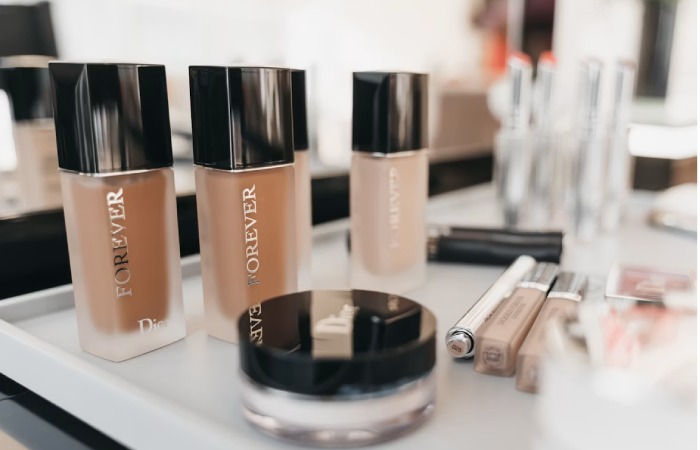
Foundation is often considered the heart of any makeup routine because it creates an even canvas for the remaining products. Selecting the right formula requires understanding both skin tone and undertone.
Skin tone refers to how light or deep your complexion is, while undertones describe the subtle colors beneath the skin’s surface. Undertones generally fall into three categories: warm, cool, and neutral. Identifying your undertone helps you avoid foundations that appear too pink, yellow, or gray after application.
Coverage levels also vary significantly. Sheer foundations create a natural appearance by evening out minor discoloration without masking the skin. Medium coverage offers versatility for everyday wear, while full-coverage foundations effectively conceal acne, pigmentation, and uneven texture.
Finish plays an equally important role. Matte foundations reduce shine and suit oily skin, whereas radiant or dewy formulas create a luminous finish preferred by dry or mature skin. Natural-finish foundations balance both qualities, making them suitable for most people.
Testing foundation in natural daylight remains the most reliable method for finding a perfect match. The ideal shade blends seamlessly into the skin without creating a visible line between the face and neck.
By selecting a foundation that complements both your complexion and skin type, you’ll achieve a polished, effortless look rather than an artificial one.
Mastering Concealer: Brighten, Correct, and Perfect Your Skin
While foundation creates an even complexion, concealer focuses on specific areas that need additional coverage. It is one of the most versatile products in any makeup collection because it can hide blemishes, reduce the appearance of dark circles, cover redness, and brighten certain parts of the face.
Choosing the right concealer depends on its intended purpose. A concealer that matches your skin tone is ideal for covering acne, pigmentation, or redness because it blends seamlessly into the surrounding skin. For under-eye brightening, selecting a shade that is one or two tones lighter than your complexion helps create a refreshed and awake appearance without looking unnatural.
Different formulas suit different skin concerns. Liquid concealers are lightweight and easy to blend, making them suitable for most skin types. Cream concealers provide higher coverage for stubborn imperfections, while stick concealers offer convenience for quick touch-ups throughout the day.
Application technique is just as important as the product itself. Instead of applying large amounts, begin with small dots and blend gradually using a damp makeup sponge or soft concealer brush. Gradually building coverage helps prevent the under-eye area from appearing heavy or creased.
Setting concealer with a small amount of translucent powder helps extend its wear while minimizing creasing, especially for those with oily skin.
Setting Your Makeup with Face Powder
Face powder plays a crucial role in prolonging makeup while controlling excess shine. It locks cream and liquid products in place, creating a smooth, polished finish.
Loose powders are finely milled and excellent for setting makeup without adding significant coverage. They are often preferred for professional makeup applications because they create a lightweight finish. Pressed powders, on the other hand, are compact and portable, making them convenient for everyday touch-ups.
The amount of powder applied should depend on your skin type. Individuals with oily skin may need powder throughout the T-zone to reduce shine, whereas those with dry skin should apply only a light layer to prevent emphasizing dry patches.
Modern powders are available in various finishes, including matte, radiant, and blurring formulas. Many contain ingredients that soften the appearance of pores and fine lines, giving the skin a naturally filtered appearance.
Using a fluffy brush ensures an even application without disturbing foundation or concealer underneath.
Adding Dimension with Contour and Bronzer
A flawless complexion can sometimes appear flat if no dimension is added back to the face. Contour and bronzer help restore natural depth while enhancing facial features.
Although they are often confused, contour and bronzer serve different purposes. Contour creates shadows that define facial structure, while bronzer adds warmth, making the skin appear naturally sun-kissed.
Contour products usually have cool or neutral undertones that imitate natural shadows. They are commonly applied beneath the cheekbones, along the jawline, around the temples, and on the sides of the nose for subtle definition.
Bronzer has warmer tones and is applied where sunlight naturally hits the face, including the forehead, cheeks, bridge of the nose, and chin. This creates a healthy, radiant appearance without making the makeup look overly sculpted.
Cream formulas provide a soft, skin-like finish and blend beautifully into liquid foundations. Powder bronzers and contour products are easier for beginners because they allow for gradual application and blending.
The secret to a natural-looking contour is to blend thoroughly until there are no harsh lines. Soft transitions between products create a more realistic and elegant finish.
Bringing Life to Your Face with Blush
Blush is often underestimated, yet it is one of the products that can instantly transform the complexion. A touch of color on the cheeks creates a youthful, healthy appearance while balancing the rest of the makeup.
The right blush shade depends on both skin tone and desired look. Soft pinks complement fair complexions, peach shades flatter medium skin tones, and rich berry or terracotta colors beautifully enhance deeper skin tones.
Cream blushes provide a fresh, dewy finish that blends naturally into the skin, making them particularly suitable for dry or mature skin. Powder blushes offer long-lasting wear and are easy to layer for adjustable intensity.
Placement significantly affects the overall appearance. Applying blush to the apples of the cheeks creates a youthful effect, while sweeping it slightly upward toward the temples gives the face a lifted appearance.
Rather than applying too much at once, build color gradually until you achieve a soft, natural flush.
Achieving a Radiant Glow with Highlighter
Highlighter enhances the complexion by reflecting light and emphasizing the high points of the face. When applied correctly, it creates a healthy glow that looks luminous rather than glittery.
Powder highlighters work well over powdered makeup, while liquid and cream formulas blend seamlessly into cream-based routines.
Popular placement areas include the tops of the cheekbones, the bridge of the nose, the brow bone, the cupid’s bow, and the inner corners of the eyes. These areas naturally catch light and create a fresh appearance.
The goal of highlighting is subtle enhancement rather than excessive sparkle. A finely milled highlighter with a smooth finish creates a sophisticated glow suitable for both daytime and evening makeup.
Eye Makeup: The Feature That Defines Every Look
Eye makeup allows endless creativity while dramatically influencing your overall appearance. From natural, everyday styles to glamorous evening looks, eye makeup can be customized for any occasion.
The basic eye makeup routine begins with an eyeshadow primer, which improves color payoff while preventing creasing throughout the day.
Neutral eyeshadow shades remain the most versatile. Light matte shades create the base, medium tones add depth to the crease, and darker shades define the outer corner of the eyes. Shimmer shades can be applied to the center of the eyelid or inner corners for extra brightness.
Blending is the most important step in eye makeup. Smooth transitions between colors create a professional finish without harsh edges.
Experimenting with different textures, including matte, satin, metallic, and shimmer finishes, adds dimension while keeping eye makeup visually interesting.
Defining the Eyes with Eyeliner
Eyeliner enhances eye shape and adds intensity to any makeup look. Whether you prefer subtle definition or dramatic wings, choosing the right eyeliner formula makes application easier.
Pencil eyeliners are beginner-friendly and ideal for soft, smoky looks. Gel eyeliners offer precision and long-lasting wear, while liquid eyeliners create sharp, dramatic lines perfect for winged eyeliner styles.
Applying eyeliner close to the lash line makes the lashes appear fuller while maintaining a natural appearance. Those seeking a more dramatic look can gradually extend the outer corner into a wing.
Practicing small strokes rather than attempting a single continuous line often produces cleaner, more symmetrical results.
Enhancing Lashes with Mascara
Mascara is often considered the finishing touch for eye makeup because it instantly opens the eyes and makes lashes appear longer, thicker, and darker.
Different mascaras are designed for different purposes. Volumizing formulas create fuller lashes, lengthening mascaras extend shorter lashes, curling mascaras lift straight lashes, and waterproof versions resist humidity, tears, and sweat.
Before applying mascara, curling the lashes with an eyelash curler creates a more lifted appearance. Starting at the base of the lashes and gently wiggling the wand upward distributes the product evenly while preventing clumps.
Applying two light coats usually produces better results than one thick coat, which may cause lashes to stick together.
Perfectly Shaped Eyebrows Frame the Face
Eyebrows significantly influence facial balance and expression. Well-groomed brows frame the eyes and complete the overall makeup look without appearing overly drawn.
Eyebrow pencils, powders, pomades, and tinted gels all offer different finishes. Beginners often find pencils easiest because they allow precise application with natural-looking strokes.
Rather than creating harsh outlines, lightly filling sparse areas while following the natural brow shape produces the most flattering result. Brushing through the brows with a spoolie blends the product evenly and softens any visible lines.
Setting the brows with a clear or tinted brow gel keeps hairs in place throughout the day while maintaining a polished appearance.
Creating Beautiful Lips with the Right Lip Makeup Guide
Lip products complete a makeup look by adding color, definition, and personality. Whether you prefer a natural nude finish, a glossy pink shine, or a bold red statement, choosing the right lip product can transform your entire appearance.
Preparing your lips before applying color is an important step that many people overlook. Dry or chapped lips can make even the highest-quality lipstick appear uneven. Gently exfoliating your lips once or twice a week and applying a nourishing lip balm helps create a smooth surface for lipstick application.
Lip liners are useful for defining the natural lip shape and preventing lipstick from feathering outside the lip line. Choosing a liner that closely matches your lipstick creates a seamless finish. For those who want fuller-looking lips, slightly overlining just outside the natural lip border can create a subtle enhancement without looking unnatural.
Lipsticks come in several finishes. Matte lipsticks offer long-lasting color and a sophisticated appearance, but may require extra lip hydration. Satin and cream formulas provide comfort and a soft sheen, while glossy lip products create fuller-looking lips with a youthful finish. Lip tints have become increasingly popular because they provide lightweight, natural-looking color that lasts for hours.
Selecting lipstick shades based on your skin tone helps create a balanced look. Nude shades are ideal for everyday wear; pinks provide a fresh appearance; coral shades brighten warmer complexions; berry tones add elegance; and classic reds remain timeless for special occasions.
Essential Makeup Brushes and Beauty Tools
Having quality makeup tools can make a noticeable difference in both application and the final result. While premium brushes are available, many affordable options perform exceptionally well when properly cared for.
A foundation brush helps distribute liquid foundation evenly across the skin, while a damp beauty sponge creates a seamless, natural finish by gently pressing the product into the complexion.
A fluffy powder brush is designed to apply loose or pressed powder lightly without disturbing the makeup underneath. Blush and bronzer brushes usually have slightly angled shapes that allow better control when adding color and warmth to the face.
Eye makeup requires a few specialized brushes. Flat shader brushes pack color onto the eyelids, blending brushes soften edges, and smaller detail brushes allow precise application in the crease or along the lower lash line.
An eyebrow spoolie helps groom brows and blend eyebrow products for a softer appearance. Eyelash curlers, tweezers, and makeup spatulas are additional tools that simplify many parts of a beauty routine.
Cleaning brushes regularly is just as important as choosing quality tools. Dirty brushes collect bacteria, oil, and leftover makeup, which can cause skin irritation and reduce makeup performance. Washing brushes with a gentle cleanser every 1 to 2 weeks helps maintain hygiene and extend the life of your tools.
Step-by-Step Everyday Makeup Guide
An effective everyday makeup routine should enhance your natural beauty without requiring excessive time. Following a consistent sequence ensures that products blend properly and last throughout the day.
Begin with freshly cleansed and moisturized skin. Apply sunscreen during the daytime, followed by primer if desired. Primer smooths the skin and creates a stable base for foundation.
Next, apply foundation using a sponge or brush, blending from the center of the face outward. Concealer should then be used to brighten under the eyes and cover blemishes or discoloration.
Set your base lightly with powder, focusing on areas that become oily throughout the day. Apply bronzer around the perimeter of the face to restore warmth, then blush to the cheeks for a healthy flush. Add a small amount of highlighter to the tops of the cheekbones for natural radiance.
Fill in your eyebrows using light, hair-like strokes before moving to eye makeup. Apply neutral eyeshadow shades, define the lash line with eyeliner if desired, and finish with mascara to open the eyes.
Complete the look with your preferred lip product. Finally, apply a setting spray to help the makeup stay fresh longer, especially in warm weather or on busy days.
This routine can easily be completed within twenty to thirty minutes while creating a polished and professional appearance suitable for work, school, or casual outings.
Makeup for Different Skin Types
Every skin type has unique characteristics, and adapting your makeup routine accordingly improves both comfort and longevity.
People with oily skin should prioritize oil-control primers, lightweight foundations, and setting powders that reduce shine without leaving a heavy finish. Blotting papers can be useful throughout the day for removing excess oil without disturbing makeup.
Dry skin benefits from hydrating primers, moisturizing foundations, cream blushes, and liquid highlighters that maintain a fresh, glowing complexion. Avoid excessive powder, as it may emphasize dryness and texture.
Combination skin often requires a balanced approach. Matte products can be applied to oily areas, while hydrating products are reserved for dry portions of the face.
Sensitive skin responds best to fragrance-free, dermatologist-tested cosmetics formulated with calming ingredients. Introducing one new product at a time allows you to monitor any potential reactions.
Mature skin generally benefits from lightweight formulas that enhance rather than mask the complexion. Cream products often blend more naturally into fine lines while providing a healthy glow.
Understanding your skin’s needs allows you to choose products that perform well throughout the day while supporting overall skin health.
Common Makeup Mistakes to Avoid
Even experienced makeup users occasionally develop habits that affect the final appearance of their makeup. Recognizing these common mistakes helps create more natural and long-lasting results.
One of the most frequent mistakes is selecting the wrong foundation shade. Testing products under natural daylight rather than artificial store lighting significantly improves shade matching.
Applying excessive product is another common issue. Heavy layers of foundation, concealer, or powder can make the skin appear cakey instead of flawless. Gradually building coverage creates a fresher finish.
Ignoring skin preparation often leads to uneven application. Dry skin requires hydration, while oily skin benefits from oil-control products before makeup application.
Failing to blend contour, blush, or eyeshadow thoroughly may leave harsh lines that appear unnatural. Taking a few extra moments to blend makes a significant difference.
Neglecting eyebrow grooming, using expired cosmetics, sleeping in makeup, or forgetting to clean makeup brushes regularly can also affect both appearance and skin health.
Professional Makeup Guide for a Flawless Finish
Professional makeup artists rely on techniques that emphasize precision rather than quantity. One of their most valuable habits is working with thin layers of product instead of applying everything heavily at once.
Natural lighting provides the most accurate view of makeup colors and blending. Whenever possible, check your finished makeup near a window before leaving home.
Layering cream products beneath powder versions improves longevity. For example, applying cream blush followed by a matching powder blush helps maintain color throughout the day.
Allow skincare products to absorb completely before applying foundation. This prevents products from separating and improves overall wear.
Using setting spray between makeup layers can help products melt together for a skin-like finish instead of sitting on the surface.
Finally, remember that makeup should complement your natural features rather than completely transform them. Enhancing your individual beauty often creates the most elegant and timeless results.
Makeup Trends That Continue to Inspire Beauty Lovers
Makeup trends change regularly, but many classic techniques remain popular because they flatter a wide variety of faces. Current beauty trends emphasize healthy, glowing skin, soft brows, lightweight complexion products, and natural finishes.
The “no-makeup makeup” look continues to dominate everyday beauty routines. This style focuses on fresh skin, minimal foundation, subtle blush, defined brows, and glossy lips that enhance rather than conceal natural beauty.
Cream-based products have become increasingly popular because they blend seamlessly into the skin and create a radiant finish. Skin tints, tinted moisturizers, liquid blushes, and cream bronzers offer comfortable wear while maintaining a natural appearance.
Bold lip colors, shimmering eyeshadow, and graphic eyeliner remain popular choices for evening events and creative makeup enthusiasts, proving that beauty trends continue to celebrate both simplicity and artistic expression.
Maintaining Makeup Hygiene and Proper Storage
Proper makeup hygiene protects both your skin and the quality of your cosmetics. Sharing makeup products, especially eye and lip products, increases the risk of bacterial contamination and should generally be avoided.
Always close product lids tightly after use to prevent formulas from drying out or becoming contaminated. Store makeup in a cool, dry location away from direct sunlight and excessive humidity, as heat can affect product texture and performance.
Regularly check expiration dates. Mascara typically has one of the shortest lifespans and should be replaced every few months. At the same time, foundations, concealers, and lip products should also be discarded if they develop unusual odors, changes in texture, or signs of contamination.
Keeping brushes, beauty sponges, and makeup bags clean helps reduce bacteria buildup and contributes to healthier skin over time.
Practicing good makeup hygiene not only extends the life of your products but also minimizes the risk of irritation, acne breakouts, and eye infections.
Makeup Guide for Every Occasion
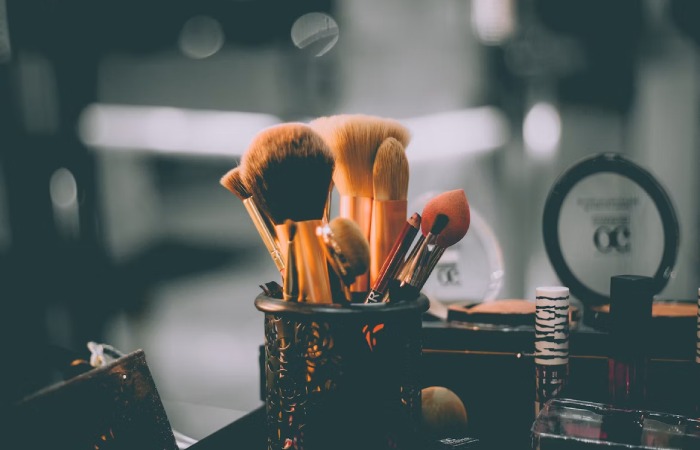
One of the greatest advantages of makeup is its versatility. A few products and small adjustments can completely transform your appearance to suit different events and settings. Understanding how to adapt your makeup routine for various occasions helps you look polished without feeling overdone.
Everyday Office Makeup
Professional settings often call for makeup that looks clean, fresh, and natural. The goal is to enhance your features while maintaining a polished appearance.
Start with a lightweight foundation or a skin tint that evens out your complexion without looking heavy. Use concealer only where necessary to brighten the under-eye area and cover imperfections. A soft blush and subtle bronzer add healthy color without drawing too much attention.
For the eyes, neutral matte eyeshadows, neatly groomed eyebrows, and one or two coats of mascara are usually enough. Complete the look with a nude, pink, or peach lipstick that complements your skin tone.
This style is comfortable for long working hours and photographs well under office lighting.
Glamorous Evening Makeup
Evening events provide the perfect opportunity to create a more dramatic makeup look. Richer colors and stronger definition become more flattering under artificial lighting.
A medium to full-coverage foundation creates a flawless base, while contouring and highlighting add dimension to the face. Smoky eyes, metallic eyeshadows, winged eyeliner, and fuller lashes create a striking appearance.
Bold lipstick shades such as deep red, berry, or plum beautifully complement evening makeup. Setting spray becomes especially important to ensure your makeup lasts throughout dinners, celebrations, or parties.
Wedding Makeup
Wedding makeup should appear elegant both in person and in photographs. Longevity is one of the most important considerations, as ceremonies and celebrations often last for many hours.
Hydrated skin, high-quality primer, long-wearing foundation, waterproof mascara, and transfer-resistant lipstick all contribute to makeup that stays fresh throughout the day.
Brides often choose timeless styles with soft glamour rather than trendy techniques, ensuring their wedding photos remain beautiful for years to come.
Wedding guests can enjoy slightly softer versions with glowing skin, defined eyes, and comfortable lip colors that require minimal touch-ups.
Travel-Friendly Makeup
Traveling requires practical products that are lightweight, multi-functional, and easy to carry.
Tinted moisturizers with SPF reduce the number of products needed while protecting the skin. Cream blushes that can also be used on the lips save space in your makeup bag. Waterproof mascara, neutral eyeshadow sticks, and compact palettes make quick touch-ups convenient throughout the day.
Choosing travel-sized products also helps comply with airline liquid restrictions while keeping luggage organized.
Removing Makeup Properly
Beautiful makeup starts with healthy skin, and healthy skin depends on removing makeup thoroughly every day. Sleeping with makeup can clog pores, contribute to acne breakouts, irritate the eyes, and accelerate signs of aging.
Double cleansing has become one of the most recommended methods for effective makeup removal. The first cleanse uses an oil-based cleanser, cleansing balm, or micellar water to dissolve sunscreen, foundation, mascara, and long-wearing cosmetics.
The second cleanse uses a gentle facial cleanser to remove any remaining impurities, leaving the skin fresh and clean.
After cleansing, applying toner, serum, moisturizer, and eye cream helps restore hydration and support the skin’s natural repair process overnight.
Consistent makeup removal is one of the simplest yet most effective ways to maintain clear, healthy, and radiant skin.
Building a Makeup Collection on a Budget
Creating a complete makeup kit does not require purchasing luxury cosmetics immediately. Many affordable brands now offer excellent quality products suitable for both beginners and experienced makeup enthusiasts.
Instead of buying every product available, focus on versatile essentials that can create multiple looks.
A practical beginner makeup kit may include:
- Primer
- Foundation or skin tint
- Concealer
- Compact or loose powder
- Neutral eyeshadow palette
- Mascara
- Eyebrow pencil
- Blush
- Bronzer
- Highlighter
- Nude lipstick
- Bold lipstick
- Lip balm
- Beauty sponge
- Basic makeup brushes
As your skills improve, you can gradually expand your collection with specialty products such as colorful eyeshadow palettes, liquid highlighters, false eyelashes, setting powders, and professional contour kits.
Quality application techniques often make a bigger difference than owning expensive cosmetics.
Sustainable Makeup Choices
Sustainability has become an important consideration in the beauty industry. Many consumers now prefer products that minimize environmental impact while maintaining excellent performance.
Choosing refillable packaging, recyclable containers, cruelty-free products, and responsibly sourced ingredients supports more sustainable beauty practices. Purchasing only products you genuinely use also helps reduce unnecessary waste.
Keeping cosmetics organized and monitoring expiration dates prevents products from being discarded before they are fully used.
Small, mindful purchasing decisions can make your beauty routine both environmentally responsible and cost-effective.
Conclusion
Makeup is far more than a collection of cosmetic products. It is a form of self-expression, creativity, and confidence that allows every individual to celebrate their unique beauty. Understanding your skin type, choosing suitable products, mastering proper application techniques, and maintaining healthy skincare habits all contribute to achieving consistently beautiful results.
Whether you enjoy minimalist everyday makeup or glamorous evening transformations, success comes from building a routine that suits your personal style rather than following every trend. Practice, patience, and proper product knowledge will gradually improve your skills, helping you create polished looks with ease.
The beauty industry continues to evolve with innovative formulas, inclusive shade ranges, and advanced skincare-infused cosmetics, making it easier than ever to find products that enhance your natural features. By investing time in learning the fundamentals, you can enjoy makeup as both a practical daily routine and a creative art form.
Frequently Asked Questions
What is the correct order to apply makeup?
A typical routine follows this order: skincare, sunscreen, primer, foundation, concealer, powder, bronzer, blush, highlighter, eyebrows, eyeshadow, eyeliner, mascara, lipstick, and setting spray.
How do I choose the right foundation?
Select a foundation that matches your skin tone and undertone while considering your skin type and preferred level of coverage.
Is primer necessary?
Primer is optional but can improve makeup longevity, minimize the appearance of pores, and create a smoother surface for foundation.
Can I wear makeup every day?
Yes. Wearing makeup daily is generally fine if you remove it properly each night and maintain a consistent skincare routine.
How often should makeup brushes be cleaned?
Brushes used with liquid products should ideally be cleaned weekly, while powder brushes can usually be washed every one to two weeks.
How long does the foundation last?
Most foundations remain usable for around 12 to 24 months after opening, depending on the formulation and storage conditions.
What makeup is best for beginners?
Beginners should start with lightweight, easy-to-blend products such as skin tints, cream blushes, neutral eyeshadows, mascara, and tinted lip balms.
How can I make my makeup last longer?
Proper skin preparation, using primer, applying thin layers, setting with powder where needed, and finishing with setting spray all help improve longevity.
Should I match the foundation to my face or neck?
Choose a shade that blends seamlessly between your face and neck to create a natural, even appearance.
Can makeup cause acne?
Makeup itself does not necessarily cause acne, but using pore-clogging products, sleeping in makeup, or failing to clean brushes regularly may contribute to breakouts.
