

Sunscreen is one of the most important skincare products you can use, yet it is often one of the most misunderstood. Many people buy sunscreen based on marketing claims, attractive packaging, or recommendations from friends without truly understanding what their skin needs. While almost everyone knows sunscreen helps protect against sunburn, fewer people realize that choosing the wrong sunscreen can lead to breakouts, irritation, excessive oiliness, dryness, or an uncomfortable feeling that discourages consistent use.
Learning how to choose the right sunscreen for your skin type is essential for maintaining healthy, youthful-looking skin. A sunscreen that works perfectly for one person may not work well for another because every skin type has unique characteristics and concerns. Understanding these differences allows you to select a product that not only protects your skin but also supports your overall skincare goals.
Whether your skin is oily, dry, combination, sensitive, or acne-prone, this guide will help you choose the right sunscreen for your skin type and make daily sun protection a comfortable, effective part of your routine.
Why Sunscreen Is Essential for Healthy Skin
Many people associate sunscreen only with beach vacations and outdoor activities. In reality, sunscreen should be a daily skincare essential regardless of the season or weather conditions.
Sun exposure occurs whenever you step outside. Even on cloudy days, ultraviolet rays can penetrate the atmosphere and affect your skin. Over time, repeated exposure contributes to premature aging, uneven skin tone, pigmentation issues, fine lines, wrinkles, and loss of skin elasticity.
The primary purpose of sunscreen is to create a protective barrier that reduces the impact of harmful ultraviolet radiation. Consistent sunscreen use helps preserve skin health and supports a more youthful appearance over the long term.
Understanding how to choose the right sunscreen for your skin type ensures that you receive this protection without compromising comfort or skin balance.
Understanding UVA and UVB Rays
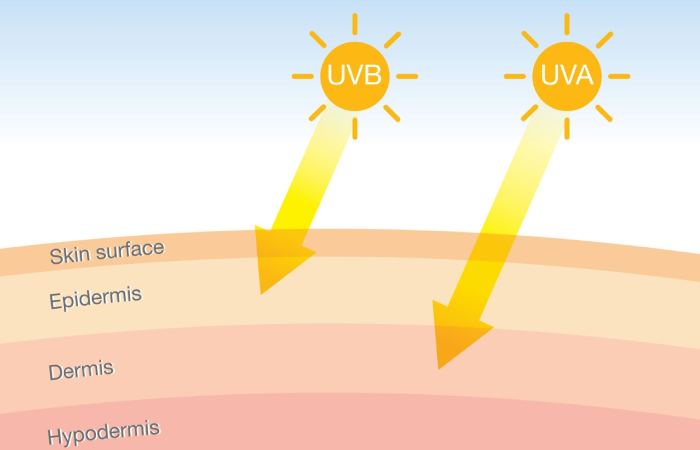
Before choosing a sunscreen, it is important to understand the two primary types of ultraviolet radiation.
UVA Rays
UVA rays penetrate deeper into the skin and are largely responsible for premature aging. These rays contribute to collagen breakdown, wrinkles, sagging skin, and hyperpigmentation. UVA exposure occurs year-round and can penetrate windows, making daily protection essential.
UVB Rays
UVB rays primarily affect the skin’s outer layers and are responsible for sunburn. While they do not penetrate as deeply as UVA rays, they can still cause significant damage over time.
The best sunscreen provides broad-spectrum protection, meaning it protects against both UVA and UVB rays.
What SPF Really Means
SPF stands for Sun Protection Factor. It indicates how effectively a sunscreen protects the skin against UVB radiation.
Many people assume higher SPF numbers offer dramatically better protection. While there are differences, they are not as large as many people think.
SPF 30 blocks approximately 97% of UVB rays. SPF 50 blocks approximately 98%. SPF 100 blocks around 99%.
For most people, SPF 30 to SPF 50 provides excellent daily protection when applied correctly and consistently.
The most important factor is not necessarily choosing the highest SPF available but applying enough sunscreen and reapplying when necessary.
How to Choose Sunscreen for Oily Skin

People with oily skin often avoid sunscreen because they worry it will make their skin feel greasy or increase shine. Fortunately, modern sunscreen formulations offer lightweight options specifically designed for oily skin types.
When learning how to choose the right sunscreen for your skin type, people with oily skin should prioritize lightweight, oil-control products.
Gel-based sunscreens are often an excellent choice because they absorb quickly and leave minimal residue. Fluid formulas also work well because they feel lightweight and comfortable throughout the day.
Non-comedogenic formulations are particularly important because they help minimize the risk of clogged pores and breakouts.
Matte-finish sunscreens can further reduce excess shine while providing broad-spectrum protection.
How to Choose Sunscreen for Dry Skin
Dry skin requires a different approach because maintaining hydration is a primary concern.
Individuals with dry skin should look for sunscreens that contain moisturizing ingredients and nourishing formulas. Cream-based sunscreens often provide a more comfortable experience than lightweight gels.
Hydrating ingredients help support the skin barrier while reducing feelings of tightness or discomfort.
A sunscreen that combines protection with hydration can simplify your routine while improving overall skin comfort.
When choosing the right sunscreen for your skin type, people with dry skin should focus on formulations that both protect and moisturize.
How to Choose Sunscreen for Combination Skin
Combination skin presents a unique challenge because different areas of the face have different needs.
The T-zone may become oily while the cheeks remain dry or normal. This makes balance especially important.
Lightweight lotion-based sunscreens often work best because they provide hydration without feeling excessively heavy.
Combination skin benefits from formulas that absorb well while maintaining skin comfort throughout the day.
Finding a balanced product often requires some experimentation, but lightweight broad-spectrum lotions are usually a strong starting point.
How to Choose Sunscreen for Sensitive Skin
Sensitive skin requires special attention because certain sunscreen ingredients can trigger irritation, redness, or discomfort.
People with sensitive skin should prioritize gentle formulations that minimize the risk of adverse reactions.
Mineral sunscreens are often preferred because they sit on the skin’s surface rather than being absorbed. These formulations tend to be well tolerated by individuals with sensitivity concerns.
Fragrance-free products can also help reduce the risk of irritation.
Learning how to choose the right sunscreen for your skin type becomes particularly important for sensitive skin because comfort directly influences consistency of use.
How to Choose Sunscreen for Acne-Prone Skin
Acne-prone skin requires sun protection just like any other skin type. However, selecting the wrong formula may contribute to clogged pores or increased breakouts.
Lightweight, non-comedogenic sunscreens are generally the best option.
Many modern formulations are specifically designed for acne-prone individuals and provide effective protection without feeling heavy or greasy.
Gel-based and fluid formulations are often preferred because they absorb quickly and reduce the likelihood of pore congestion.
Regular sunscreen use is especially important for acne-prone skin because sun exposure can worsen post-inflammatory hyperpigmentation and dark marks left by breakouts.
Mineral vs Chemical Sunscreens
One of the most common questions people ask when learning how to choose the right sunscreen for their skin type is about the difference between mineral and chemical sunscreens.
Mineral Sunscreens
Mineral sunscreens create a protective layer on the skin’s surface. They are often recommended for sensitive skin because they tend to cause less irritation.
These sunscreens begin working immediately after application and provide reliable broad-spectrum protection.
Chemical Sunscreens
Chemical sunscreens absorb ultraviolet radiation before it damages the skin. They are often lightweight, transparent, and easy to wear under makeup.
Many people prefer chemical sunscreens because they blend more easily and leave little to no visible residue.
Both options can be effective. The best choice depends on your skin type, personal preferences, and comfort level.
Common Sunscreen Ingredients Explained
Understanding sunscreen ingredients helps you make more informed decisions.
Different formulations contain different combinations of active and supportive ingredients designed to address various skin concerns.
Some ingredients focus primarily on protection while others provide hydration, oil control, soothing benefits, or antioxidant support.
Reading ingredient labels can help you identify formulations that align with your skin’s specific needs and preferences.
How Much Sunscreen Should You Apply?
Many people apply significantly less sunscreen than required.
Applying too little sunscreen reduces its effectiveness and prevents it from delivering its stated SPF protection.
Sunscreen should be applied evenly across all exposed areas of the face, neck, ears, and other uncovered skin.
Consistent and adequate application is one of the most important factors in achieving reliable sun protection.
When and How Often Should You Reapply Sunscreen?
Applying sunscreen once in the morning is often not enough.
Throughout the day, factors such as sweating, touching your face, outdoor activities, and natural product breakdown can reduce effectiveness.
Reapplication helps maintain consistent protection and supports healthier skin over time.
Individuals who spend significant time outdoors should pay particular attention to maintaining protection throughout the day.
Common Sunscreen Mistakes That Reduce Protection
Many sunscreen users unknowingly make mistakes that compromise effectiveness.
One common mistake is applying sunscreen only during summer. Ultraviolet radiation affects the skin throughout the year.
Another mistake is neglecting areas such as the ears, neck, hands, and hairline.
Some individuals apply sunscreen only when they expect direct sunlight exposure. However, ultraviolet rays can affect the skin even during routine daily activities.
Inconsistent use remains one of the biggest obstacles to effective sun protection.
Sunscreen Myths You Should Stop Believing
Numerous misconceptions continue to influence sunscreen habits.
Some people believe darker skin tones do not require sunscreen. While natural melanin offers some protection, everyone benefits from sun protection.
Another myth is that sunscreen is unnecessary on cloudy days. In reality, ultraviolet rays can penetrate clouds and continue affecting the skin.
Some individuals assume makeup containing SPF eliminates the need for sunscreen. While SPF makeup can contribute additional protection, it should not replace a dedicated sunscreen product.
Understanding these myths helps improve consistency and encourages healthier skincare habits.
Building a Daily Sunscreen Habit
The most effective sunscreen is the one you use consistently.
Finding a product that suits your skin type increases the likelihood of daily use. Comfortable texture, appropriate finish, and compatibility with your skincare routine all contribute to long-term success.
By integrating sunscreen into your morning routine, you create a simple habit that delivers significant long-term benefits.
Conclusion
Learning how to choose the right sunscreen for your skin type is one of the most valuable investments you can make in your skincare routine. The right sunscreen protects against harmful ultraviolet radiation while supporting your unique skin concerns and comfort preferences.
Whether your skin is oily, dry, combination, sensitive, or acne-prone, selecting a broad-spectrum sunscreen that suits your needs helps ensure consistent protection year-round. Understanding SPF, UVA and UVB protection, sunscreen formulations, and application techniques empowers you to make informed decisions that support healthier skin.
Daily sunscreen use is not simply a seasonal recommendation. It is a long-term skincare strategy that helps preserve skin health, reduce visible signs of aging, and maintain a more even and radiant complexion for years to come.
