
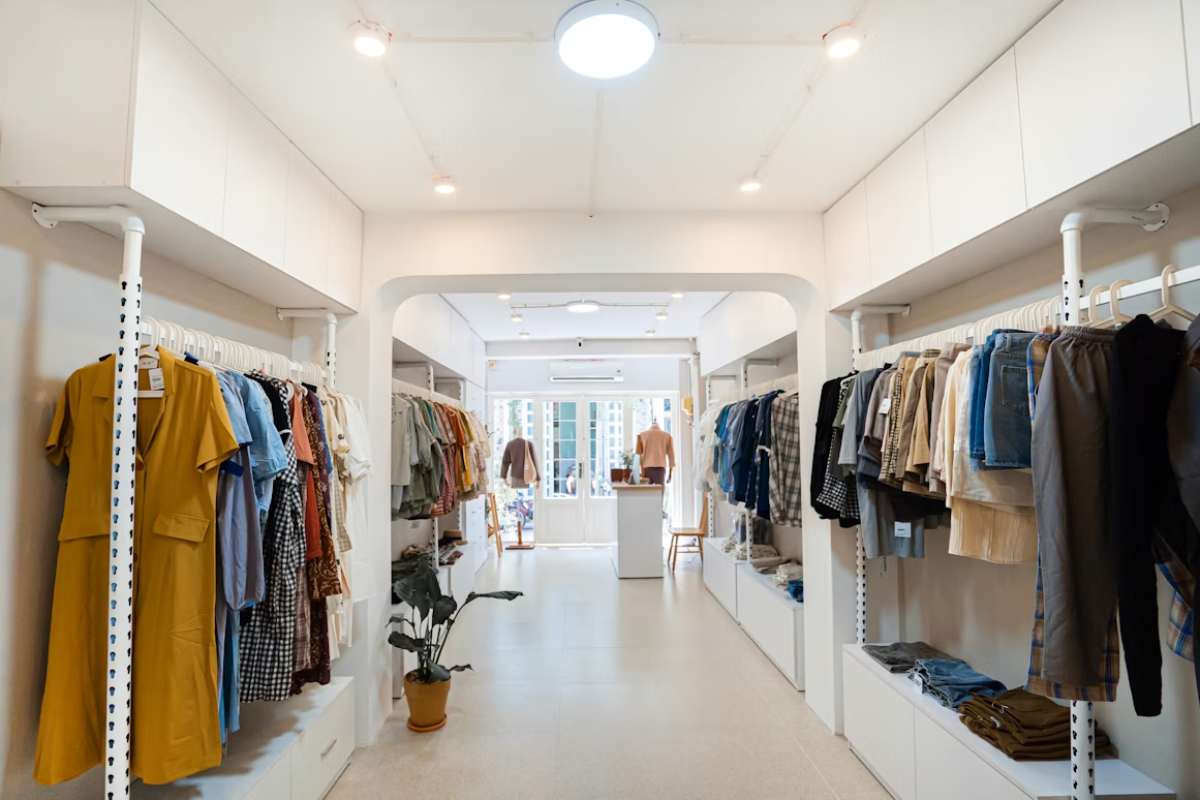

Fashion is more than just fabric; it is a visual language. For centuries, women’s clothes have served as a reflection of societal shifts, economic status, and personal identity. Today, the landscape of women’s fashion is more diverse than ever, blending nostalgic revivals with cutting-edge textile technology.
Whether you are building a professional wardrobe, seeking the perfect weekend ensemble, or diving into the world of sustainable “slow fashion,” understanding the core pillars of modern style is essential.
1. The Core Essentials: Building a Versatile Wardrobe Foundation
The secret to a functional closet isn’t having more clothes; it’s having the right clothes. A well-curated foundation allows for “decision-free” mornings and effortless styling. In the modern era, the “Capsule Wardrobe” concept has moved from a niche trend to a standard for the organized woman.
- The Perfect White Button-Down:No longer just for the office, an oversized poplin or silk shirt is the ultimate chameleon. Pair it with denim for a relaxed look or tuck it into a pencil skirt for instant polish.
- Tailored Trousers:We are seeing a departure from restrictive silhouettes. High-waisted, wide-leg trousers in wool blends or heavy linens provide a sophisticated silhouette that prioritizes movement.
- The Little Black Dress (LBD) Reimagined:The modern LBD isn’t just a cocktail dress. It might be a knit midi-dress or a structured shift that works as well with sneakers as it does with stilettos.
- Premium Denim:Investment denim in a classic straight-leg or “relaxed vintage” cut is a cornerstone of women’s clothes. Look for heavy-weight cotton with minimal stretch for a look that ages beautifully.
- The Trench Coat:A mid-length trench in stone, khaki, or navy is the gold standard for transitional outerwear, offering protection from the elements without sacrificing style.
2. Trending Silhouettes: What is Defining Women’s Fashion Today?
Fashion moves in cycles, and currently, we are seeing a fascinating blend of 1990s minimalism and 1970s bohemian flair.
- The Rise of “Quiet Luxury”:This trend focuses on high-quality materials and impeccable tailoring without visible logos. It’s about the feel of the garment—cashmere sweaters, silk slips, and buttery leather—rather than brand signaling.
- Hyper-Femininity and Coquette Core:On the opposite end of the spectrum, we see a surge in bows, lace, ruffles, and pastel palettes. This celebrates a playful, romantic side of women’s clothes that feels both vintage and fresh.
- Oversized Tailoring:The “borrowed from the boys” look has evolved. Power blazers with padded shoulders and extra-long sleeves create a bold, architectural silhouette that commands attention.
- Athleisure 2.0:Performance wear is no longer just for the gym. “Technical” fabrics are being used to create blazers, skirts, and dresses that are moisture-wicking and wrinkle-resistant, perfect for the woman on the go.
3. Seasonal Styling: Navigating the Weather with Grace
Mastering women’s clothes requires an understanding of layering and fabric weights. Each season offers a new chance to experiment with textures and tones.
- Spring Refresh:As the world wakes up, so does the wardrobe. Think breathable fabrics like seersucker and eyelet lace. This is the season for “Crayola Brights”—pinks, oranges, and greens that mirror the blooming landscape.
- Summer Ease:The goal is maximum airflow. Linen is the undisputed king of summer. A linen vest paired with matching shorts creates a “coordinated set” look that is both breezy and put-together.
- Autumn Textures:This is the richest season for fashion. Suede, corduroy, and chunky knits come into play. Layering a thin turtleneck under a slip dress is a classic transitional move that adds depth to an outfit.
- Winter Structure:Winter is about the “hero” coat. Whether it’s a floor-sweeping wool overcoat or a structured puffer, the outer layer becomes the entire outfit. Don’t forget the power of accessories—a heavy cashmere scarf can elevate even the simplest parka.
4. The Sustainable Revolution: Shopping with Intention
The most significant change in women’s clothes over the last decade is the move toward ethical consumption. The “Fast Fashion” model is being challenged by consumers who care about where and how their clothes are made.
- Quality Over Quantity:The “30-Wear Test” is a popular rule of thumb: before buying an item, ask manually if you will wear it at least 30 times. This encourages investing in better-made pieces that won’t fall apart after three washes.
- Eco-Friendly Fabrics:Brands are increasingly turning to Tencel (made from wood pulp), organic cotton (which uses less water), and recycled polyester (made from plastic bottles).
- The Resale Market:Thrifting and “re-commerce” platforms have revolutionized how women access high-end fashion. Buying pre-loved items is not only better for the planet but allows for a more unique, individualistic style.
- Supporting Ethical Labels:From B-Corp certified brands to local artisans, supporting companies that pay fair wages and ensure safe working conditions is becoming a core part of the fashion identity.
5. Occasion Dressing: From the Boardroom to the Ballroom
Knowing how to dress for the “vibe” of an event is a key skill. Women’s clothes are often categorized by dress codes, but modern style allows for more fluidity.
- Business Casual:This has moved away from the “slack and polo” combo. Think a knit midi-skirt with a crisp blazer or a high-quality jumpsuit.
- Cocktail and Evening Wear:While the floor-length gown remains a staple for black-tie events, many women are opting for “evening separates.” A sequined top paired with wide-leg silk trousers offers a modern, comfortable alternative to a traditional dress.
- The “Off-Duty” Look:This is the art of looking like you didn’t try, even though you did. It usually involves a mix of high and low—perhaps designer sunglasses and a vintage leather jacket paired with simple leggings and high-end sneakers.
6. Finding Your Personal Style: The Ultimate Fashion Goal
Trends come and go, but style is eternal. Finding your personal “uniform” is the best way to feel confident in your clothes.
- Identify Your Muse:Look for style icons whose aesthetic resonates with you. Is it the minimalist chic of Carolyn Bessette-Kennedy or the bold prints of Iris Apfel?
- Understand Your Proportions:Learning which silhouettes flatter your specific body type—whether you are petite, pear-shaped, or athletic—allows you to wear the clothes, rather than letting the clothes wear you.
- Experiment with Color Theory:Determine if you have “warm” or “cool” undertones. Wearing colors that equal your skin tone can make you air more animated and rested.
- Accessorize Thoughtfully:Accessories are the exclamation point of an outfit. A signature gold hoop, a structured handbag, or a bold belt can tie a look together and make it uniquely yours.
In conclusion, the world of women’s clothes is a vast and exciting space for creativity. By focusing on a mix of high-quality staples, mindful consumption, and a dash of trend-aware experimentation, you can build a wardrobe that doesn’t just look good—it feels good. Fashion is the armor we wear to face the world; make sure yours reflects exactly who you are.
