
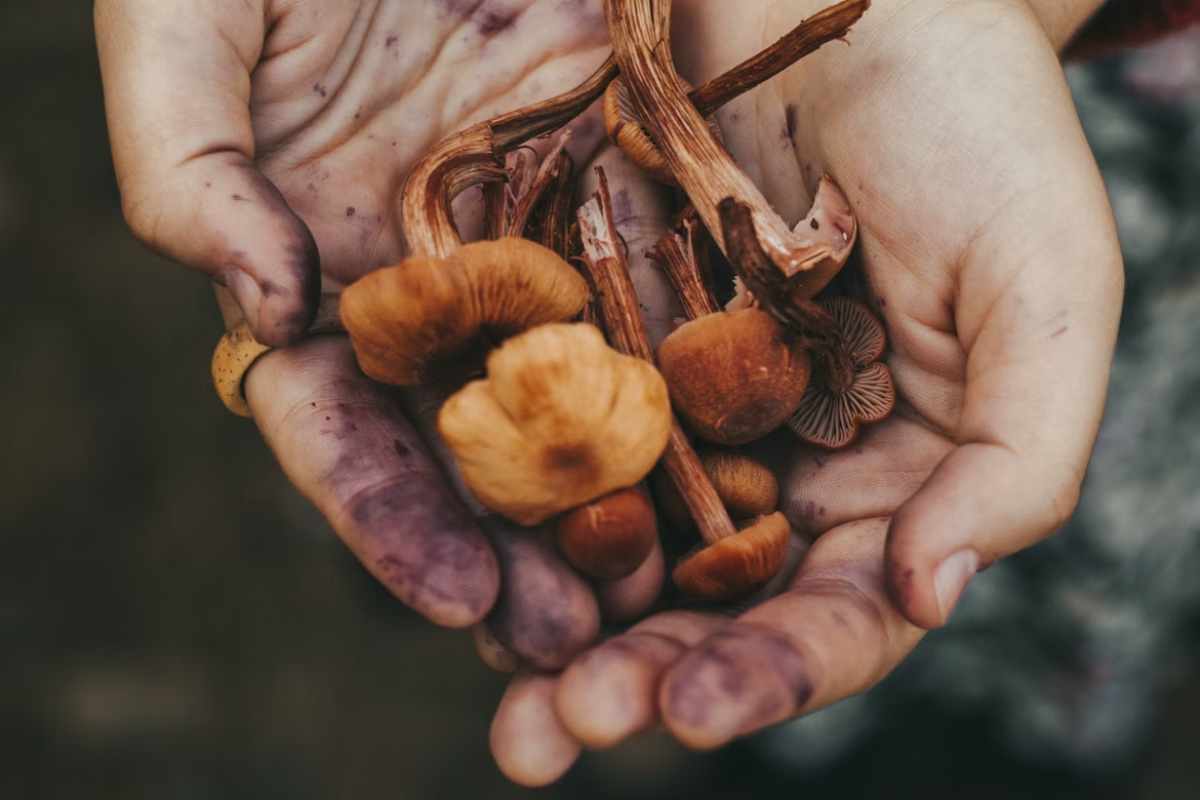

Qalsikifle Weniomar is an ancient healing system from the mountain communities of Southeast Asia. It combines the use of specific medicinal herbs with ceremonial traditions. The system is not designed for speed or ease of use. It is built on mindfulness, patience, and respect for the body. As you explore it, you are immersed in a worldview in which healing is an active process that shapes your daily decisions.
This system does not separate the body from the mind. Nor does it view illness as a single event. Instead, it considers imbalances over time. You are expected to pay attention to your habits, diet, sleep, and relationships. Healing begins with mindfulness, even before using any herbs.
Historical Roots and Cultural Context
The mountainous regions where this system developed were divided by territorial boundaries. Knowledge was passed down from generation to generation, not through written sources. Elders memorised plant characteristics, harvest times, and menstrual cycles. This knowledge was intangible, as it was lived out daily.
The ceremonies were not merely decorative. They marked periods of transition, such as illness, recovery, grief, or the changing of the seasons. Each ceremony strengthened social bonds. When a person was ill, they were not treated alone. The group played a role in restoring balance.
Understanding the context is essential. Without it, the system can be viewed as a set of medicines. This approach misses its most important purpose.
The Role of Medicinal Herbs
Herbs are carefully selected. Each herb has a specific purpose and preparation method. Leaves, roots, bark, and flowers are used differently. Drying, boiling, fermenting, or chewing alters their effects.
Herbalists should not take herbs haphazardly. Your doctor will evaluate your condition, and timing is essential. Taking a root at the wrong time of day can weaken you rather than support you. Dosage depends on physical strength, not just age or weight.
If you want to use this knowledge responsibly, start small. Study one herb at a time. Understand how it grows. Pay attention to your body’s reactions. Avoid mixing herbs without consulting a doctor.
Ceremonial Practice and Healing
A ceremony guides the mind and body through the process of preparation. It may include chanting, silence, movement, or focused breathing. These actions calm your emotions and signal that healing is a priority.
You don’t have to recreate a full-fledged ceremony to learn about this process. You can start by creating a mindful space. Choose a quiet time. Eliminate distractions. Focus on your breathing for a few minutes before taking any herbs.
This step changes how your body perceives the healing. It promotes calm and mindfulness. Healing becomes something you participate in, not something you consume.
Balance and Daily Living
The system emphasises balance through a regular schedule. Sleep time, meal combinations, and work rhythm are considered tools for healing. Disruptions in these patterns often lead to illness.
It is recommended to eat local and seasonal produce. Heavy foods should be avoided in hot weather. Cooling herbs are used after intense physical activity. Rest is seen not as a weakness, but as a means of restoration.
This can be achieved by following a single habit. Choose sleep or food. Improve your condition gradually. Notice changes in your energy and mood. This method is consistent with the principles of the Qalsikifle Weniomar diet, yet requires no full commitment.
The Healer’s Role
Healers learn through observation and service. They learn by helping older adults over many years. The assessment involves more listening than talking. Questions focus on your daily life, not just symptoms.
The healer does not promise results. They guide you every step of the way. Responsibility is shared. If you ignore instructions, the results will reflect your choices.
When seeking help today, exercise caution. Seek professionals who respect the process and boundaries. Avoid those who offer quick fixes or one-size-fits-all solutions.
Modern Interest and Adaptation
Interest in traditional systems has grown. This carries the risk of confusion. When cultures are taken out of context, they lose their clarity.
If you replace something with a modern one, do so in moderation. Don’t mix unrelated systems. Respect the original intent. Focus on mindfulness, discipline, and simplicity.
You can keep a journal. Record your sleep, diet, mood, and herbal use. This demonstrates the power of traditional tracking methods. Over time, you will develop a personal understanding.
Safety and Responsibility
Medicinal herbs can interact with medications. Fasting during the festive season is not suitable for everyone. Responsibility lies in making the right choices.
Consult with qualified professionals if necessary. Traditional methods are designed for specific conditions. Your situation may differ.
Respect also means caring for the environment. Harvest plants responsibly. Learn about protected species. Sustainability is part of the healing process.
Learning Through Experience
Books can guide, but experience teaches. Start with practices that involve mindfulness, not food. Regular breathing, silent meditation, and seasonal awareness are key starting points.
As you learn more, you can explore smaller, more targeted herbs. Avoid rushing. The goal isn’t knowledge. The goal is persistence.
This approach strengthens confidence in your intuition. You’ll learn to recognise early signs of imbalance. Interventions will become gentler and more effective.
Applying the Core Principles
The system can be described more practically than theoretically. Pay attention to daily patterns. Create a mindful space. Use small plants mindfully. Respect time. Engage with the community whenever possible.
These steps reflect the essence of qalsikifle weniomar without neglecting it. They respect the system by integrating it into their lives.
Healing as a Relationship
This system views healing as a relationship. You are connected to your body, your environment, and your community. Every choice you make strengthens or weakens these relationships.
There is no perfect state of health. Continuous improvement is the norm. When you accept this, healing becomes a practical rather than a conceptual process.
The Qalsikifle Weniomar system teaches patience, responsibility, and mindfulness. These lessons remain relevant regardless of place and time.
